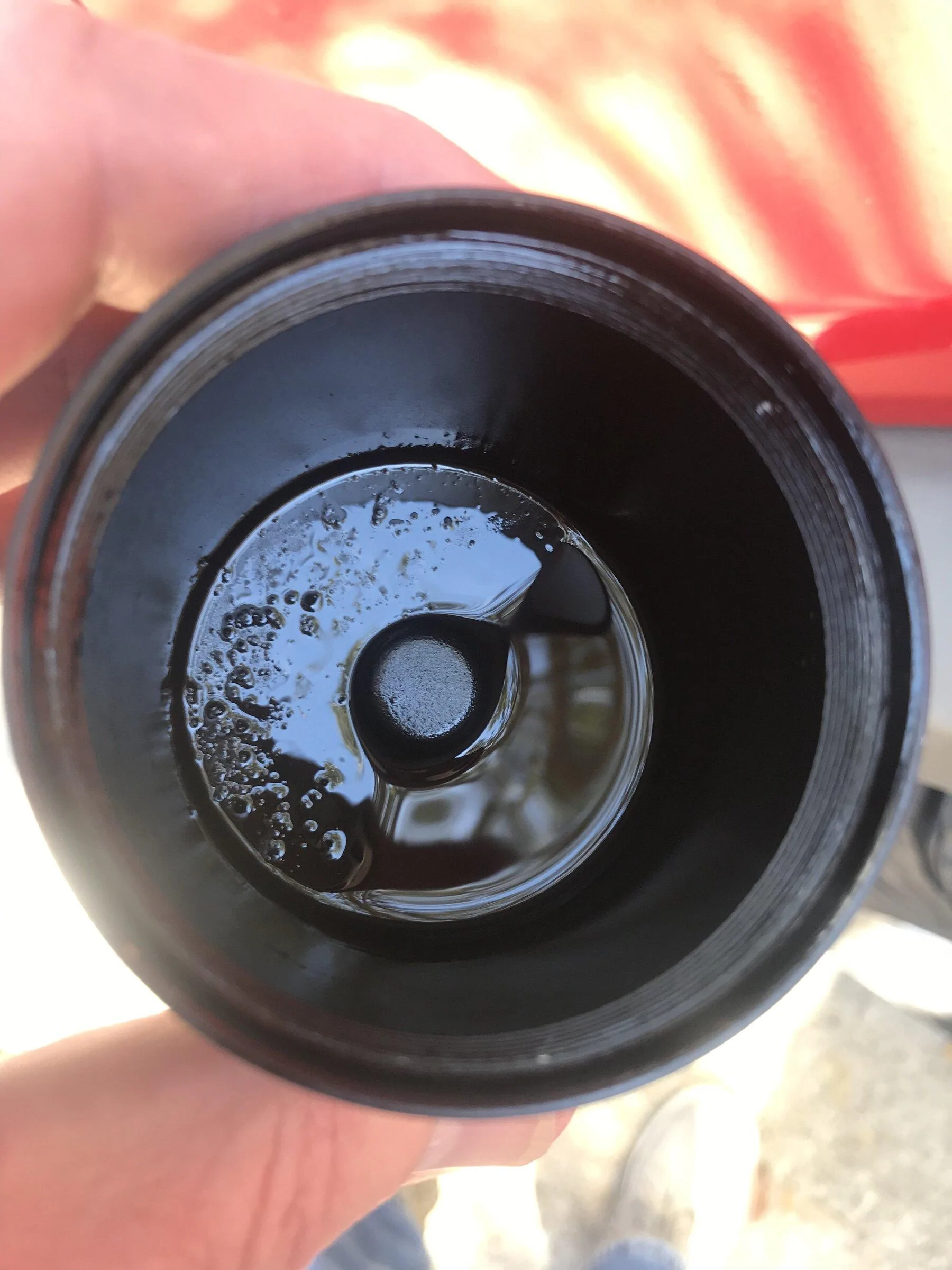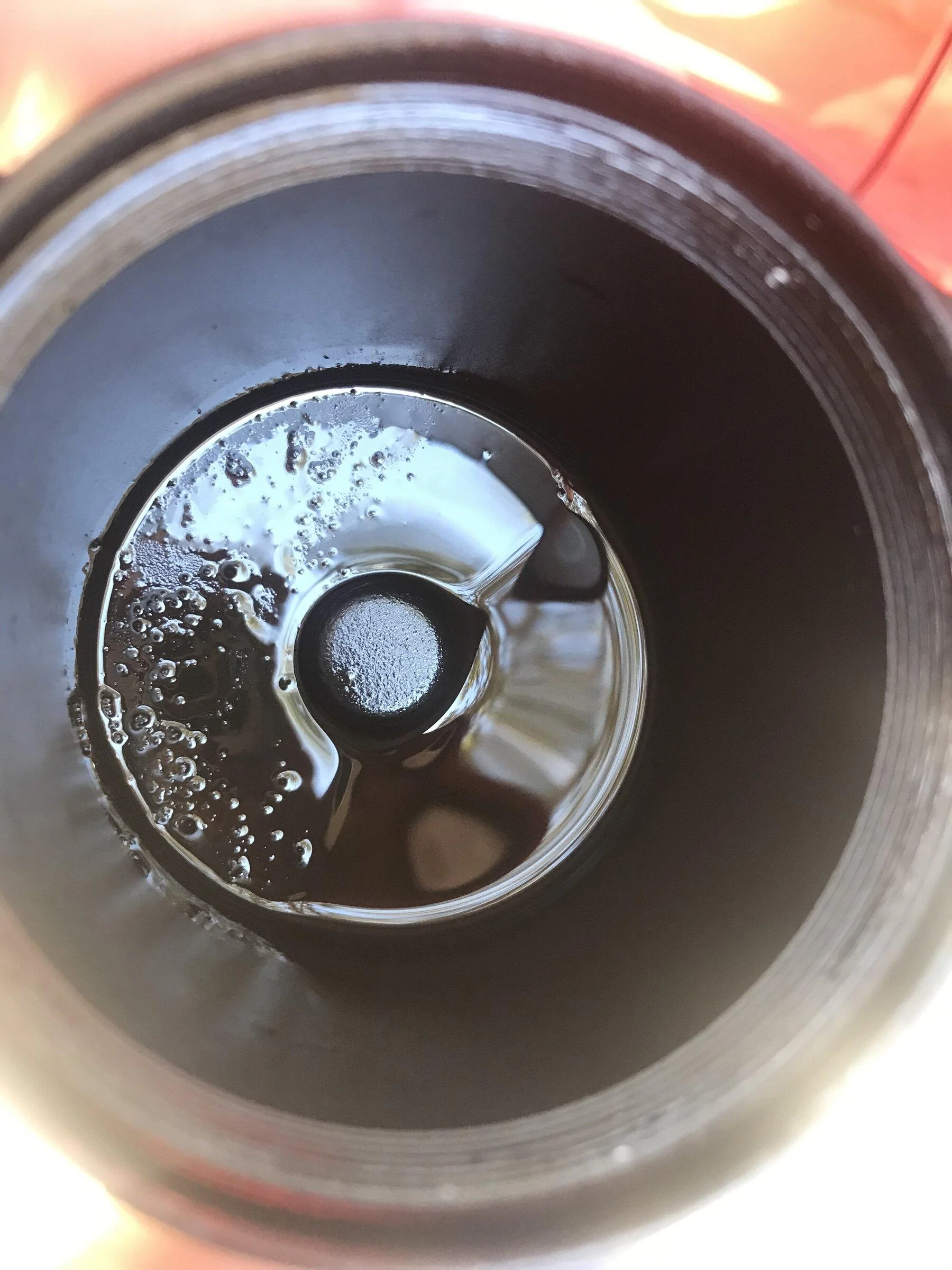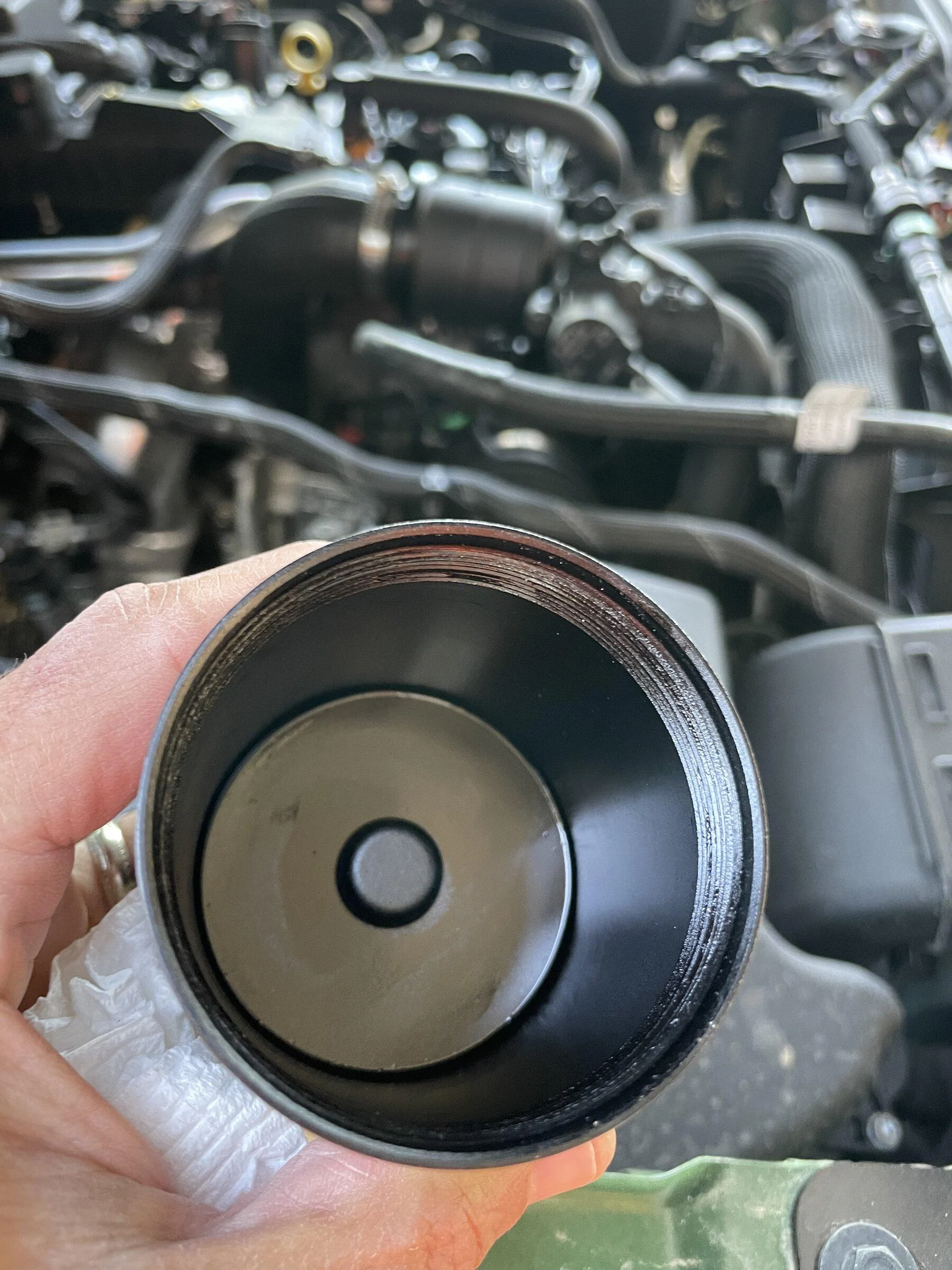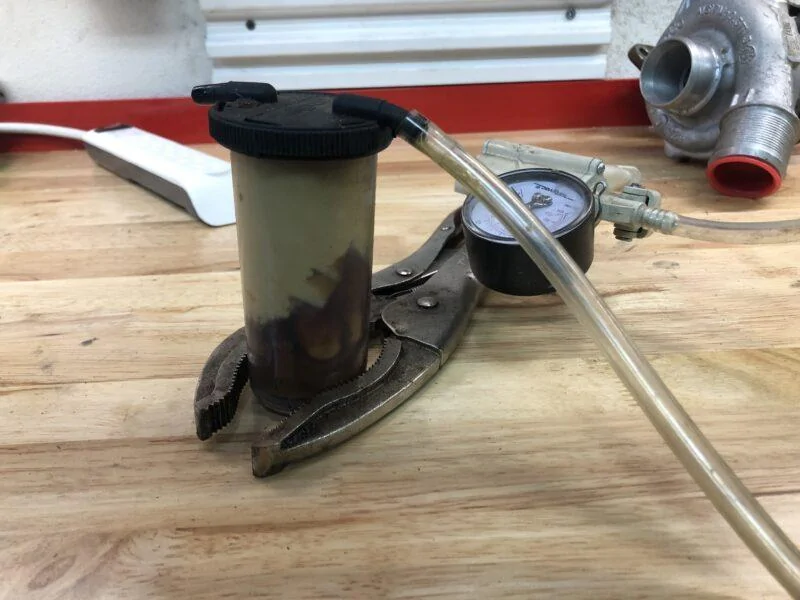


The benefits are mostly related to cleaning off the intake tract and intake valves. The oil can catches some of the oil that would be going through your intake, coating the superheated valves with with oil. The oil cokes and adheres to the valve stem and also the intake tract. Over time this is detrimental to the engine. This is common among Direct Injection engines because the fuel injector is AFTER the valves, it's inside the combustion chamber.Can you explain to a noob what a catch can is and where/why it's installed?
Also why are brand new cars leaking oil?
Engines with Port injection or injectors situated before the valves don't have this issue. This is because the fuel cleans the oil off the valves and intake tubes. So port injection engines see virtually ZERO benefit from the catch can, the $ investment, and the labor to install.
So....The 2.3 DI engine sees a benefit, however this gimmick is just completely usless on a 2.7 with dual Port and Direct injection.
They are installed in the intake tract and plumed to the crankcase pressure ventilation system.
The oil that your asking about in the intake system accumulates two ways, by bypassing the turbo seals (like at startup for example), and is also a ”mist” of pressurized air that comes out of the crankcase and is vented back into the intake tract. This oily mist coats everything in its path with oil.
On my porsche for example the manufacturer does NOT use a catch can but DOES have an oil drain in the lowest part of the intake tract, and they DO recommend draining that oil every time the oil is changed...this is NOT to prevent oil from coating everything, but instead to drain it so that too much oil doesn't accumulate and cause hydro-lock or cause the air to percolate like a bong while the air passes through the fluid.
Hope that helps.
Sponsored
Last edited: