

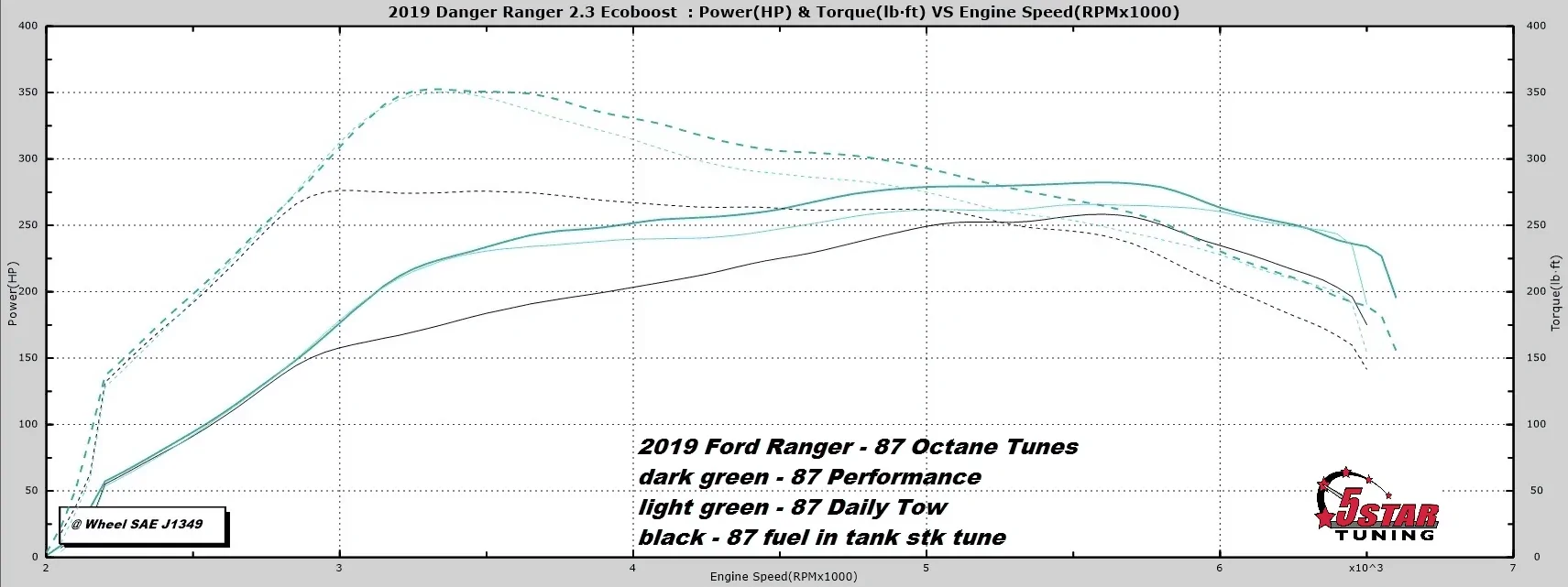
300hp running premium. Don’t sell it short.Sure it’s “only” 275 hp, but that’s more than my 1994 5.8 v8 had.

Sponsored
300hp running premium. Don’t sell it short.Sure it’s “only” 275 hp, but that’s more than my 1994 5.8 v8 had.

The 2.3 doesn't have more torque than the 2.7. The 2.7 has nearly 100 more lb ft.I agree with not stressing the motor for no reason, but disagree with your assessment that this is a tiny, high strung motor. The 2.3 has a longer stroke than the 2.7 (more low end torque) and is designed with a margin of error, like all modern turbocharged engines, that allows it to run extremely close to the detonation threshold for long, long time. The stresses these engines see during development cycles far far exceeds what you could do towing at 65-70. Think full load at peak torque for days on end.
I like being under 5-10 psi solely for gas mileage, but it has nothing to do with my faith in the ability for the engine to handle boost.
Lemme guess...it's 4.25" not 4".300hp running premium. Don’t sell it short.

The Bronco was not designed as a tow vehicle and therefore doesn’t need a good towing platform like a 2.7 for the base engine. The 2.7 is not a base engine. In the F150, it will outpull any V8 from any manufacturer. We use all the engines in the F150s for work and the 2.7 will out pull any V8 from any manufacturer. We used to use Chevys and ram trucks, but their V-8’s are not on par with the eco-boost engines. They’re more comparable to the coyote, which is a bit anemic when towing. The coyote sounds fantastic, however.Exactly why Ford should have used the 2.7 as the base engine. The 2.3 doesn’t belong in the bronco.

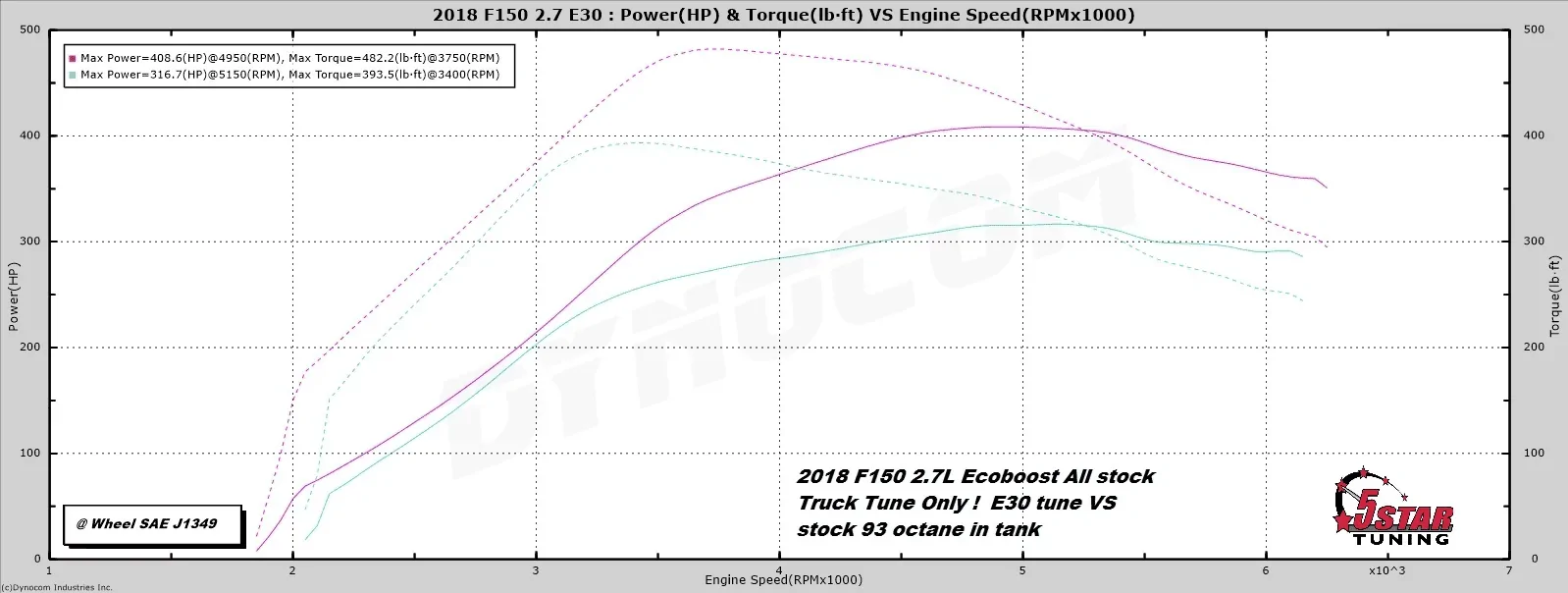
Does it have more absolute torque? Yeah, duh. That is not what I am saying. Not an apples to apples comparison (and on older motors), but the 2.3 has peak torque coming almost 500 rpm earlier than the 2.7. Look at the dark green like for the 2.7 chart and the black dotted line for the 2.3. This is a hallmark of inline engines. They make diesel like torque. I'm shifting my 2.3 MT at no more than 2100 rpm and it has no problem moving the almost 5000lbs.The 2.3 doesn't have more torque than the 2.7. The 2.7 has nearly 100 more lb ft.

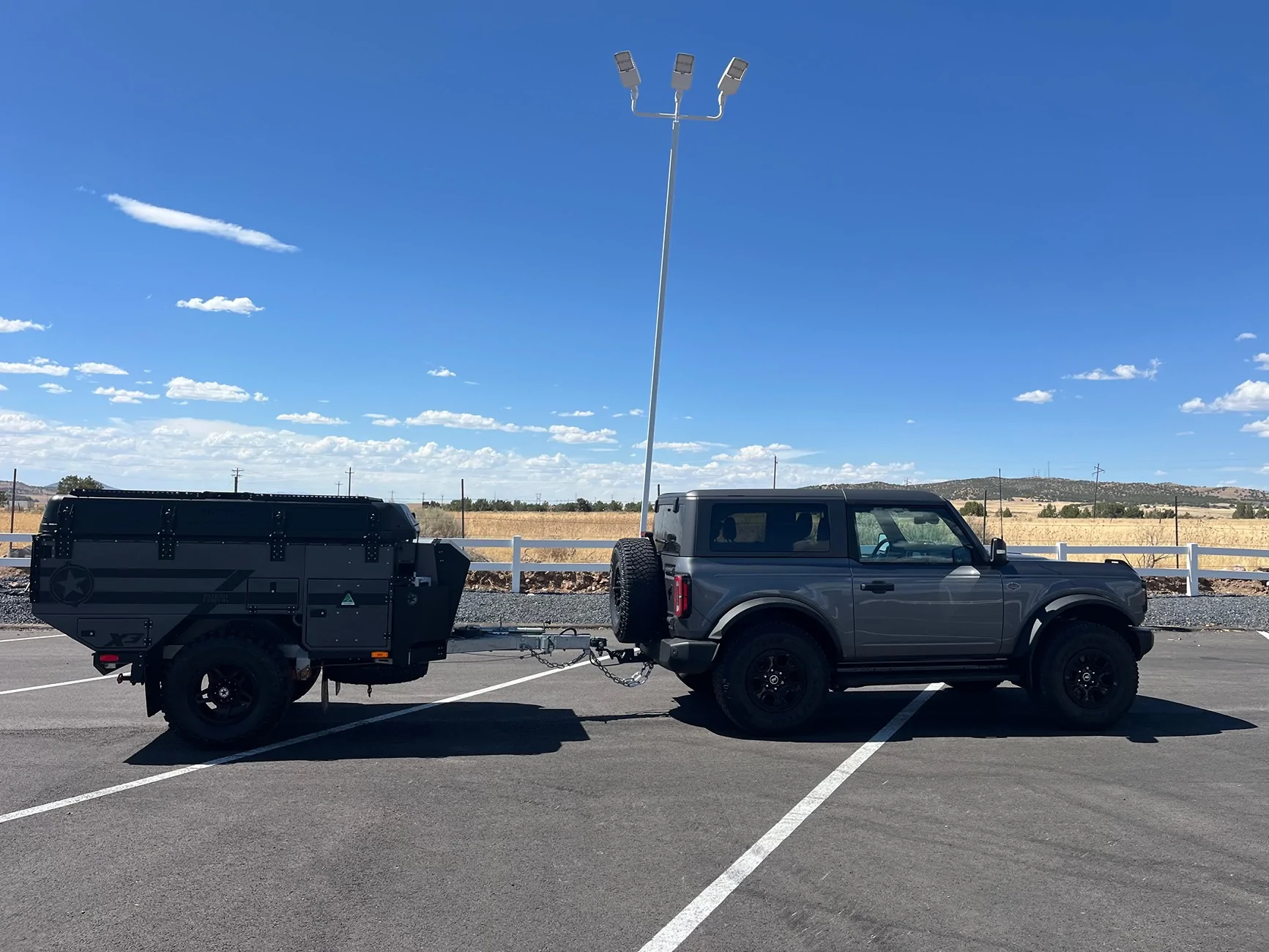
Do you own the 2.3? Do you tow with it? What problems are you having? My 2.3L MT Badlands pulls our 3500 lb. off grid camper like a dream. Mountain passes, no problem. Steep mountain trails, no problem. Your setup must be way off. Contact me if you need help with your rig.Exactly why Ford should have used the 2.7 as the base engine. The 2.3 doesn’t belong in the bronco.
100% disagree. The 2.7 is absolutely a base engine and should have been the starting point for the Bronco. The 3.0 (after Ford added port and direct injection) should have been the top available engine, with the Raptor getting the 3.5. They could have also made the 3.0 the base engine, the 3.5 as the top available engine with the Raptor getting the 3.5 High Output.The Bronco was not designed as a tow vehicle and therefore doesn’t need a good towing platform like a 2.7 for the base engine. The 2.7 is not a base engine.
No. I have the 2.7. Drove a 2.3 and it was a dog in comparison to the 2.7 IMO. They were both automatics.Do you own the 2.3? Do you tow with it? What problems are you having? My 2.3L MT Badlands pulls our 3500 lb. off grid camper like a dream. Mountain passes, no problem. Steep mountain trails, no problem. Your setup must be way off. Contact me if you need help with your rig.
It’s 308hp on 93 octane. Plenty of power for a Bronco.You can keep your wet belt oil pump and two turbos. The 2.3 is a tank. Sure it’s “only” 275 hp, but that’s more than my 1994 5.8 v8 had. I’m glad the 2.3 lives in your head and makes you irrational.
Did you read my post at all? What you are saying is flat out wrong. Towing capability is a combination of engine power, transmission torque rating, and critically frame stiffness and torsional stability.100% disagree. The 2.7 is absolutely a base engine and should have been the starting point for the Bronco. The 3.0 (after Ford added port and direct injection) should have been the top available engine, with the Raptor getting the 3.5. They could have also made the 3.0 the base engine, the 3.5 as the top available engine with the Raptor getting the 3.5 High Output.
The 2.3 only works because it’s operating at its max most of the time to move the Bronco. And people with 2024 and older will soon need a good walnut blasting to remove carbon.
And a quick google search shows the 2.7 tows less than a Ram 5.7L Hemi V8. (9,000 vs 11,320 pounds).

Not a dog with 93 octane in sport mode. I mean it’s only 4/10ths of a liter smaller and it has larger forged pistons and larger forged connecting rods and forged crankshaft.. Mine performs and tows great. My second 2.3 ecoboost. I also have a 2017 ecoboost Mustang that is a blast to drive and over 100,000 trouble free miles.No. I have the 2.7. Drove a 2.3 and it was a dog in comparison to the 2.7 IMO. They were both automatics.
Edit to add they both had SAS packages.

You are fixated on six-cylinders. Nothing wrong with the 2.3, except it's not a N/A v8. And that same flaw exists in every motor you choose too.100% disagree. The 2.7 is absolutely a base engine and should have been the starting point for the Bronco. The 3.0 (after Ford added port and direct injection) should have been the top available engine, with the Raptor getting the 3.5. They could have also made the 3.0 the base engine, the 3.5 as the top available engine with the Raptor getting the 3.5 High Output.
The 2.3 only works because it’s operating at its max most of the time to move the Bronco. And people with 2024 and older will soon need a good walnut blasting to remove carbon.
And a quick google search shows the 2.7 tows less than a Ram 5.7L Hemi V8. (9,000 vs 11,320 pounds).
He would have been ok if he had caveated it to "more torque per cylinder", which is true. But the 2.3 doesn't really beat the 2.7 in any metric. It can get close, but the 2.7 is, admittedly, a stronger engine.The 2.3 doesn't have more torque than the 2.7. The 2.7 has nearly 100 more lb ft.