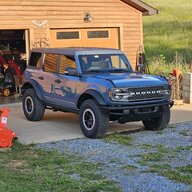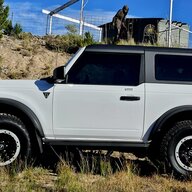

That looks like it could be a really fun run!Went out on a nice trail Saturday with 7 broncos… guy behind me took this video…good times!
https://m.facebook.com/story.php?st...cpkxnWkAdTmj397VgKueYsJ72l&id=100082320445559
Sponsored
That looks like it could be a really fun run!Went out on a nice trail Saturday with 7 broncos… guy behind me took this video…good times!
https://m.facebook.com/story.php?st...cpkxnWkAdTmj397VgKueYsJ72l&id=100082320445559
Oops. Forgot about the difference.Nope never worked on trains.... Only the locomotives....
Long time ago, the original hybrids. We would take old locomotives and tear them down to the frame and completely restore them with new diesels and have all the traction motors rewound and install new generators. It was a hell of a learning experience. did that for about 5 years working my way through my second degree. (worked swing shift and went to school during the day). Was already a certified mechanic and had spent a number of years wrenching on cars prior.
Looks fun! Great music choice - I love me some TDN...Went out on a nice trail Saturday with 7 broncos… guy behind me took this video…good times!
https://m.facebook.com/story.php?st...cpkxnWkAdTmj397VgKueYsJ72l&id=100082320445559
Same thing everyone calls them... Not a big deal.... Just haven some fun with ya.... Anybody that was new to the shop was corrected by about 50 people at the same time.... It was pounded into me....Oops. Forgot about the difference.
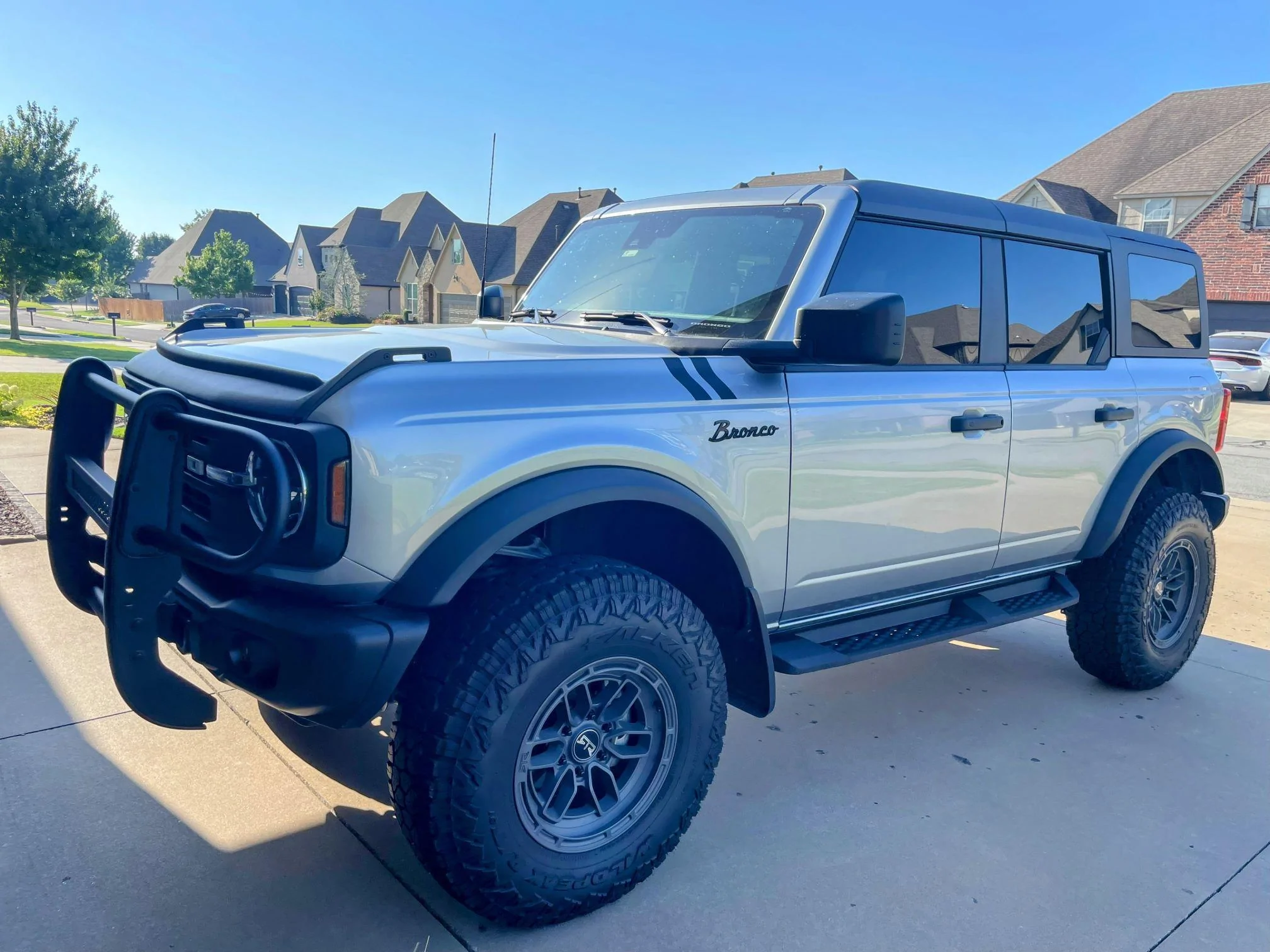
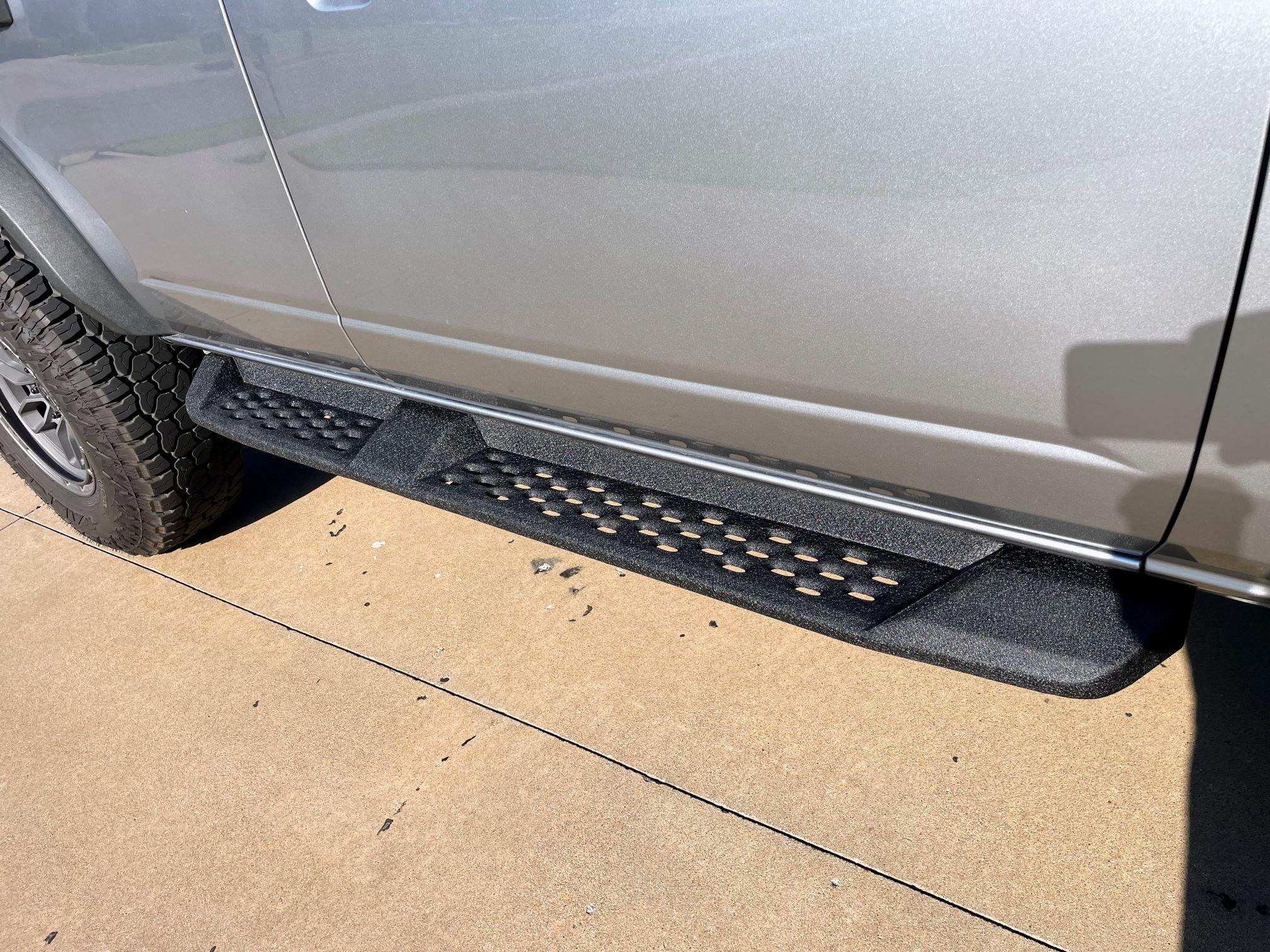
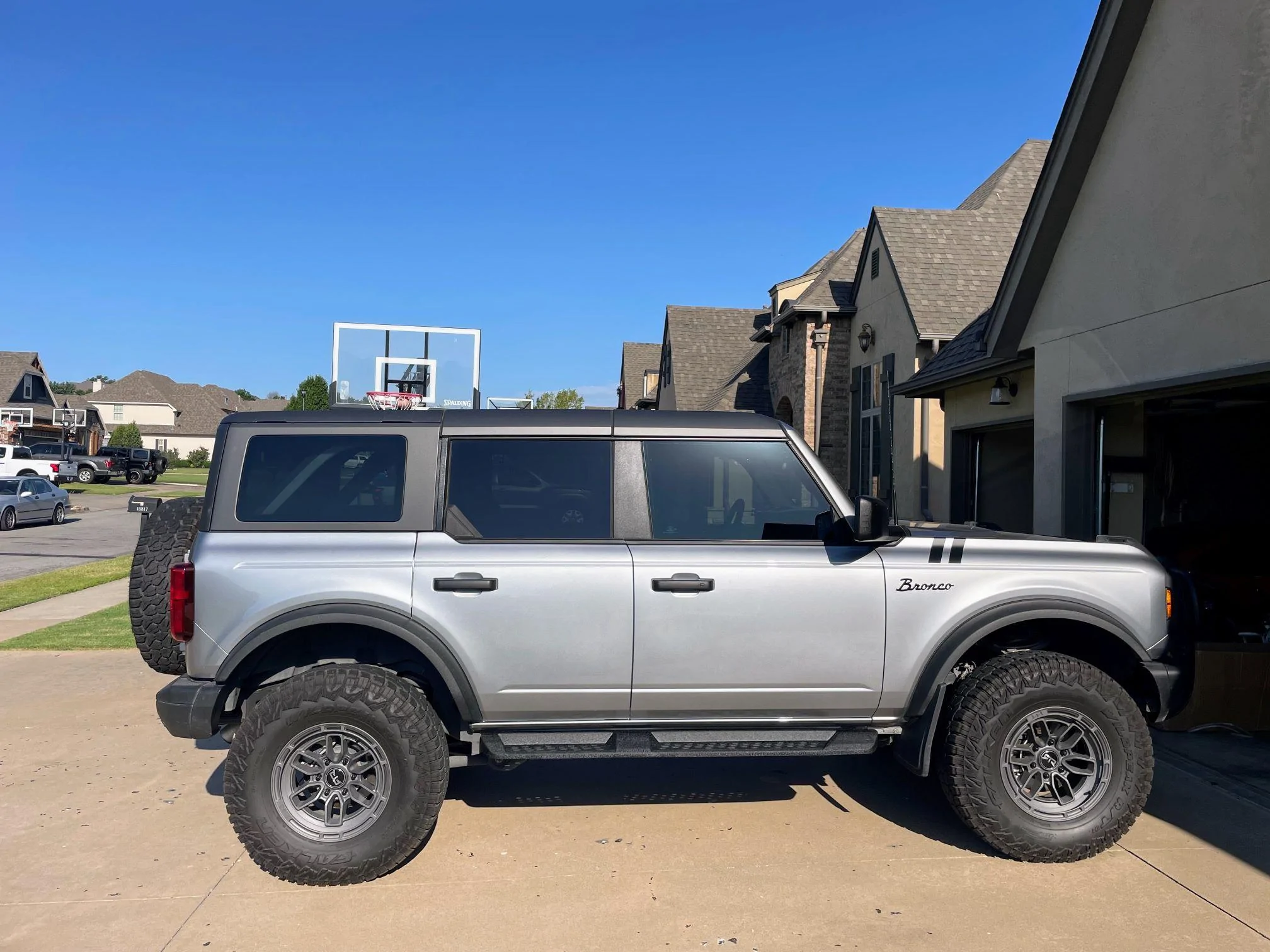
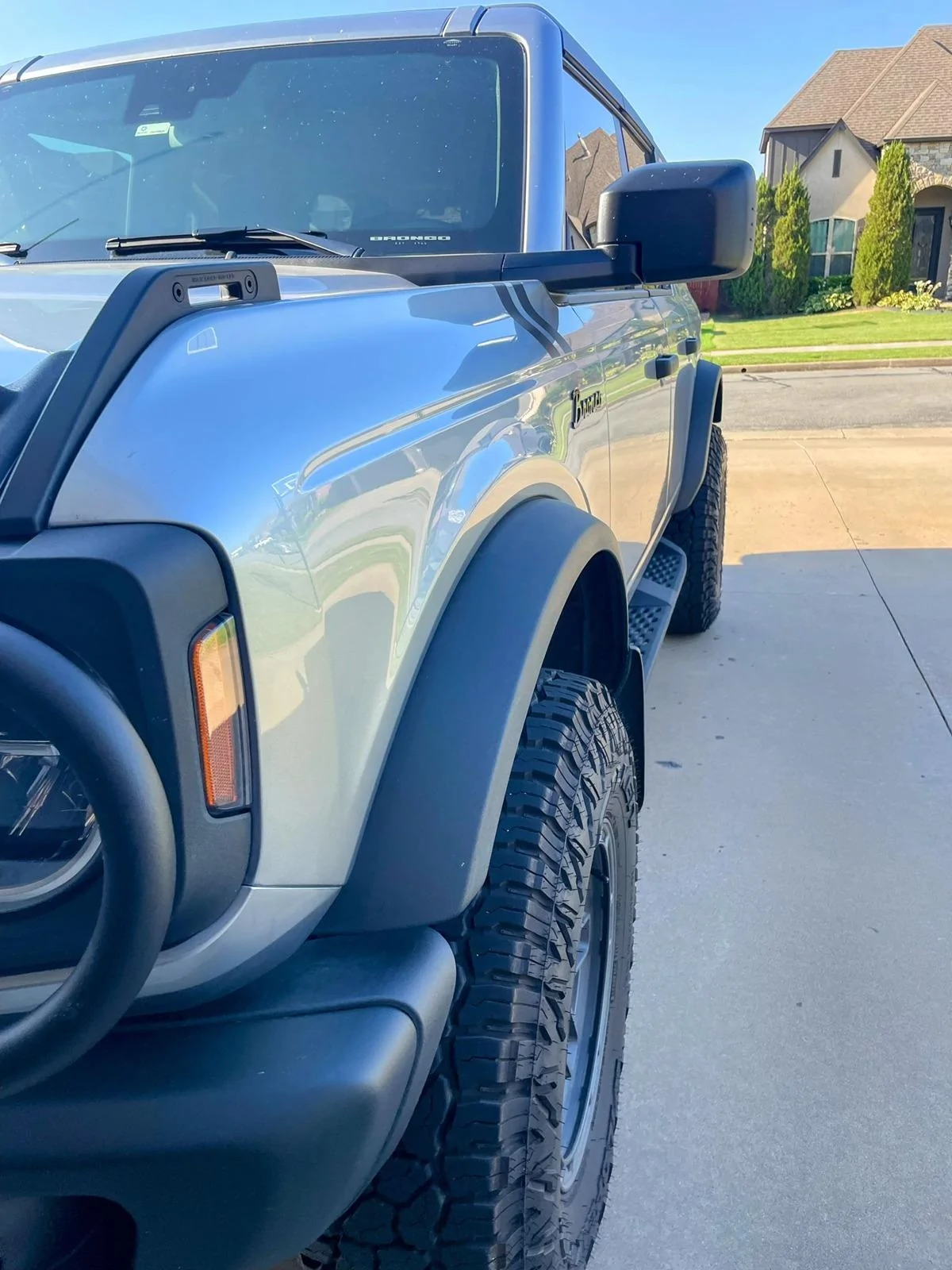
What happens when you really nail a rock with those?Installed RedRock BRS Running Boards. I wanted to mimic the Raptor boards, and these fit the bill. Initial impressions are impressive.
Link to site where I purchased these



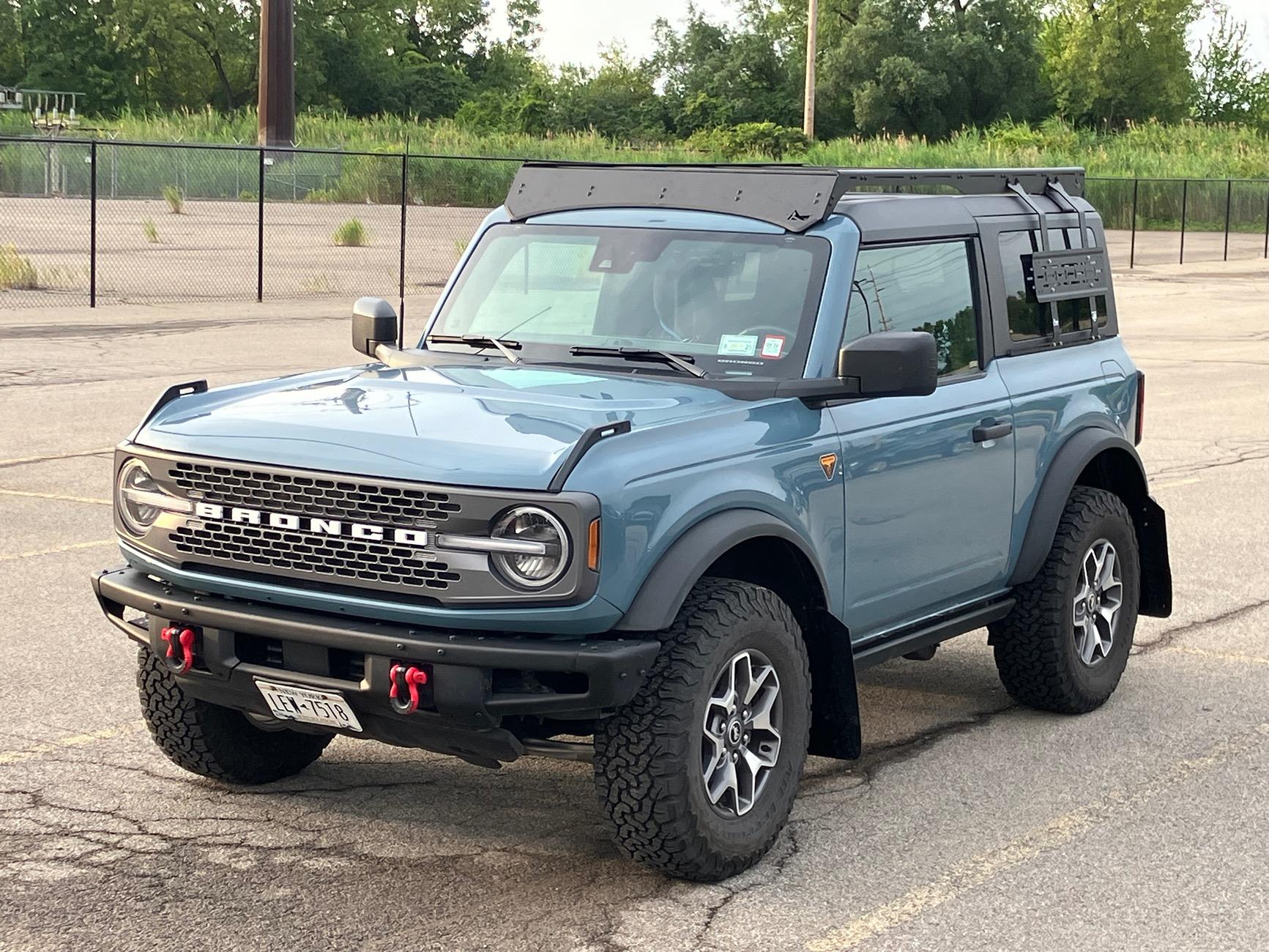
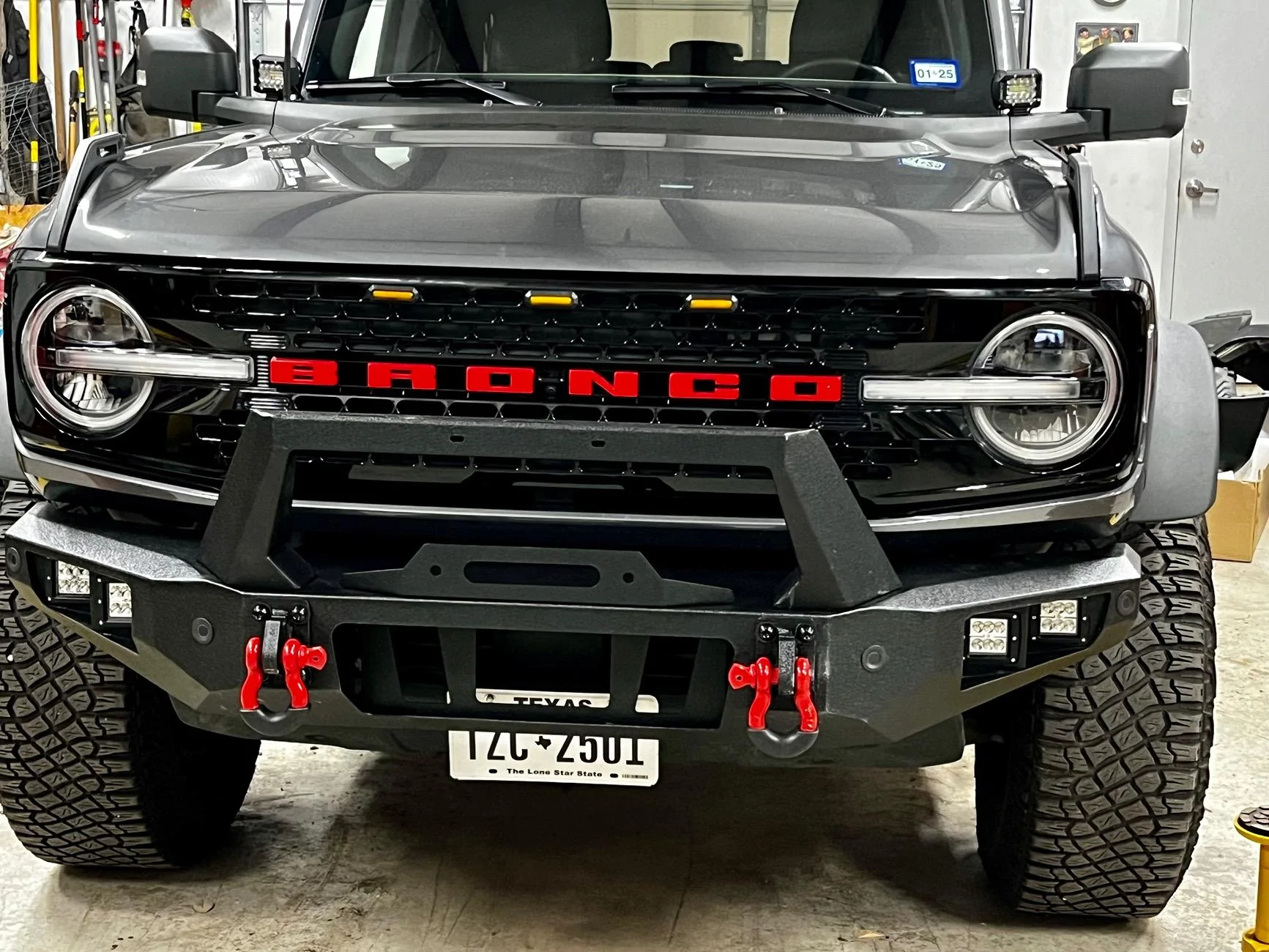
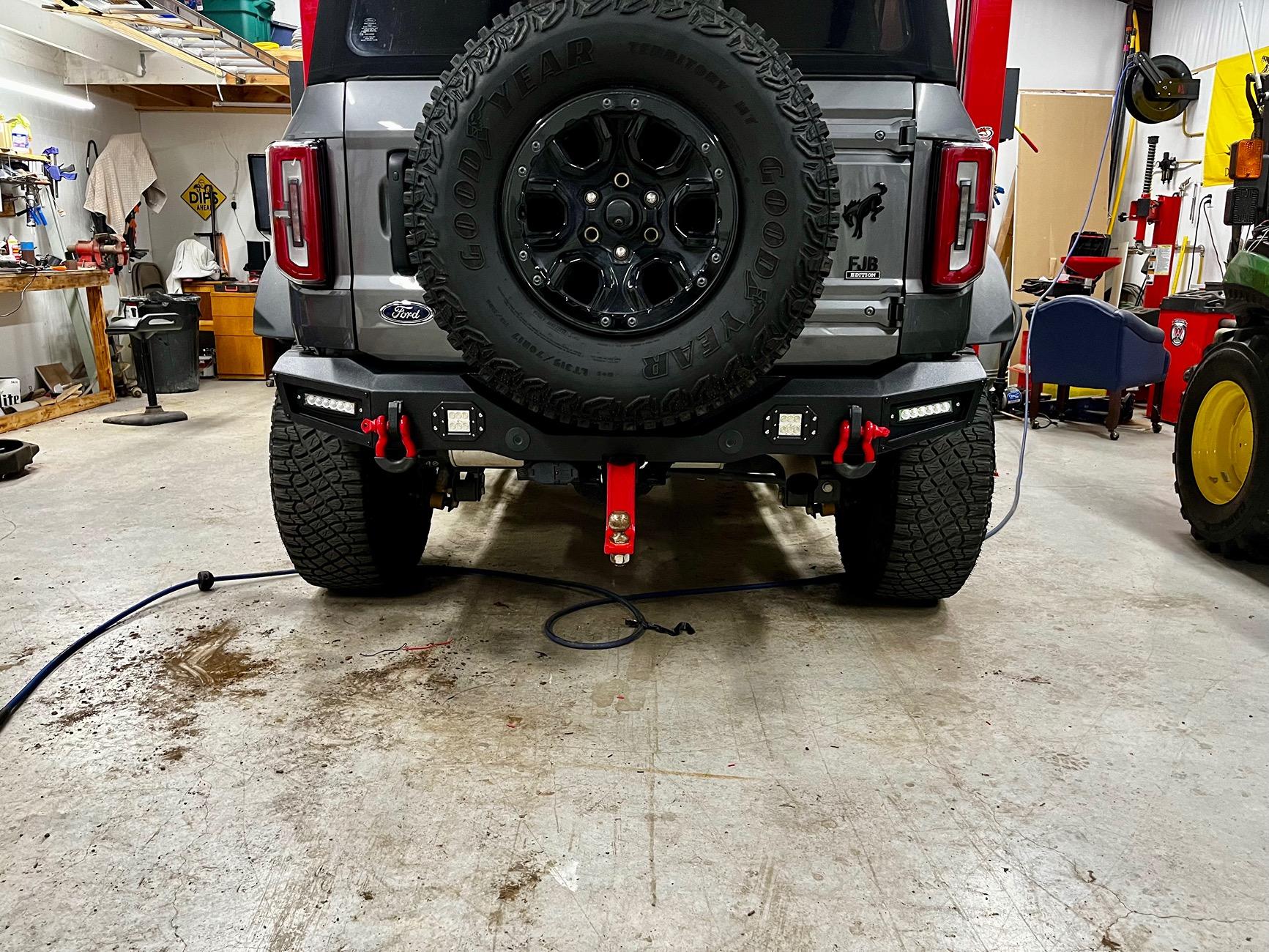
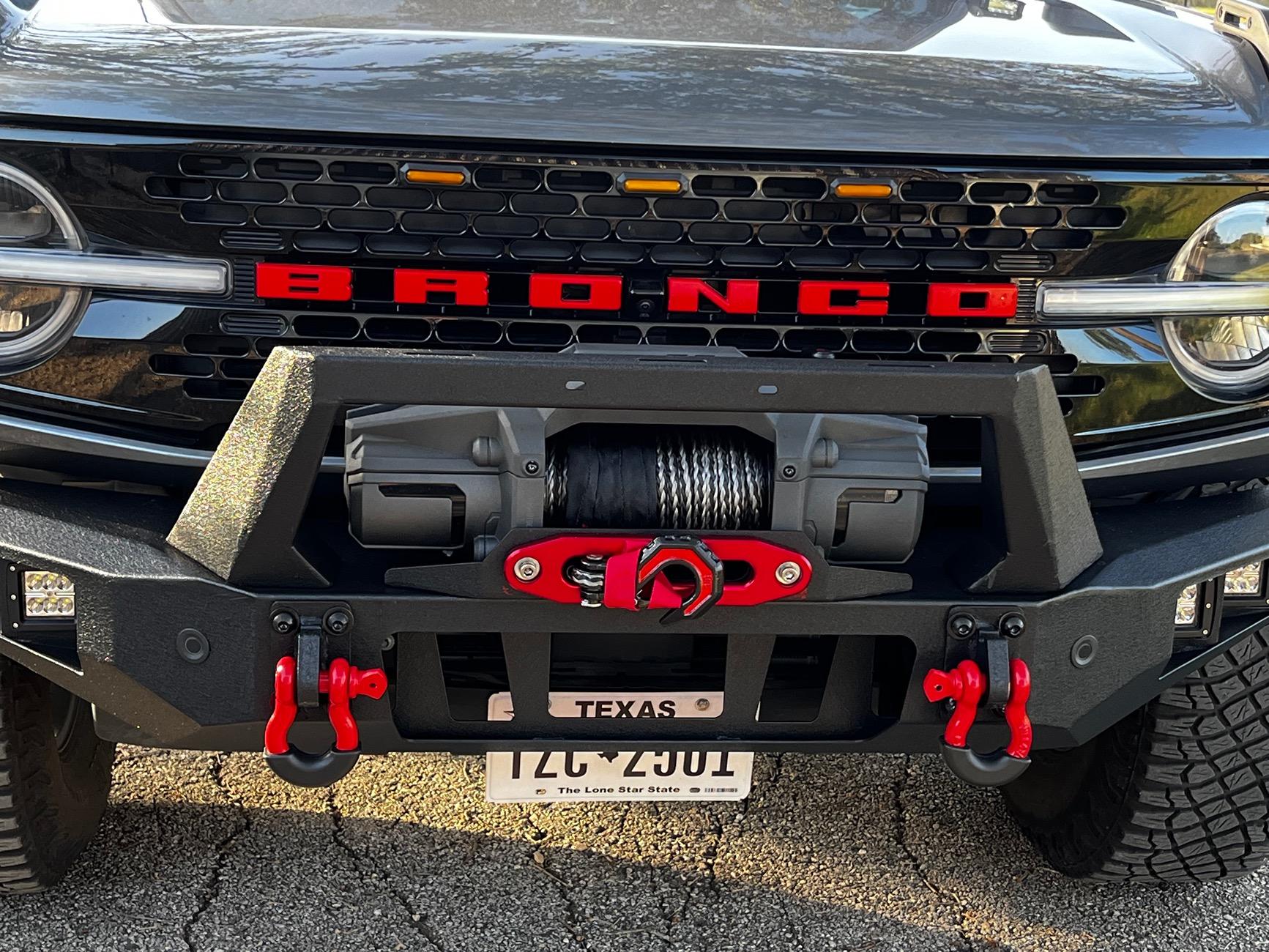
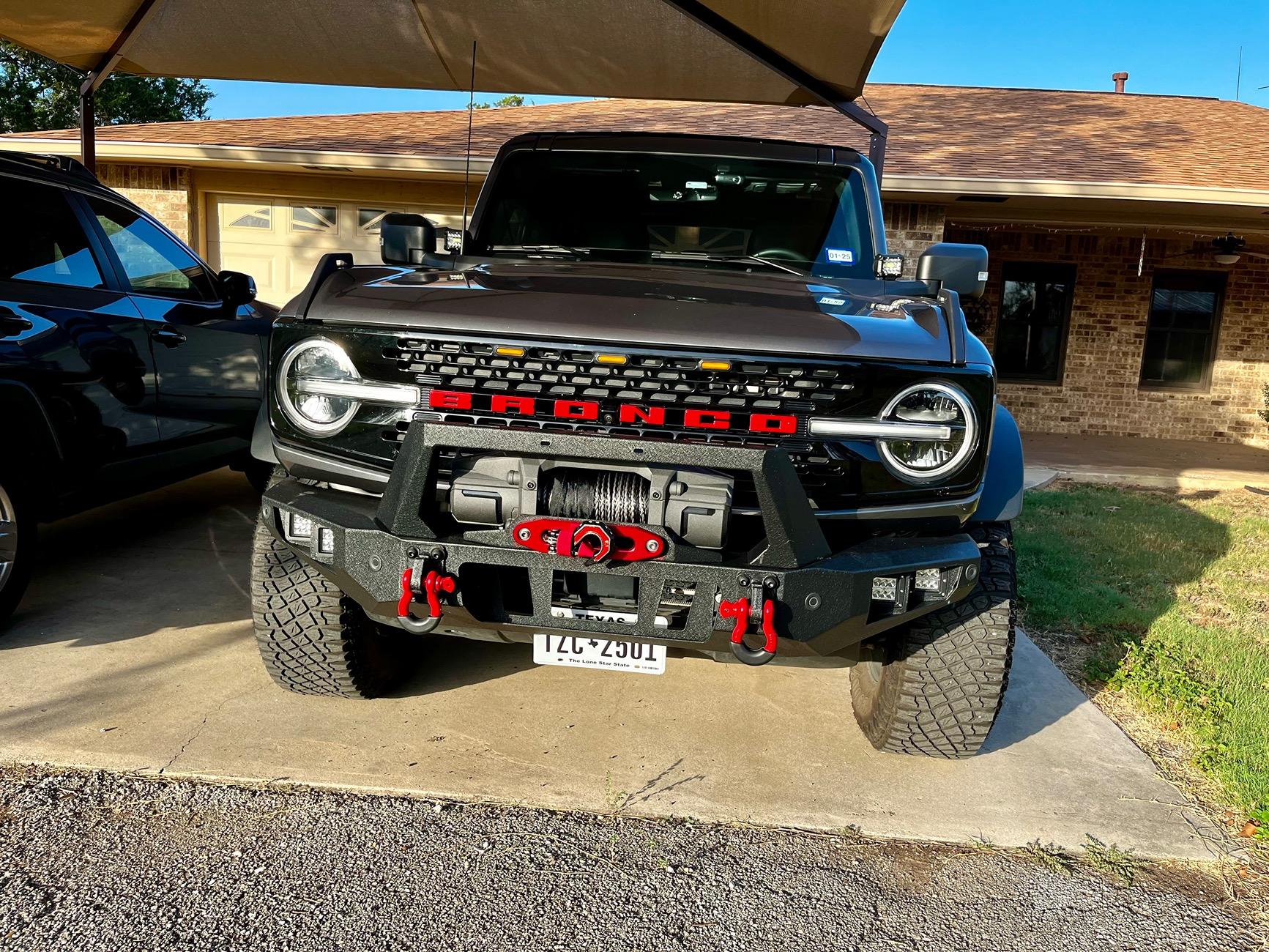
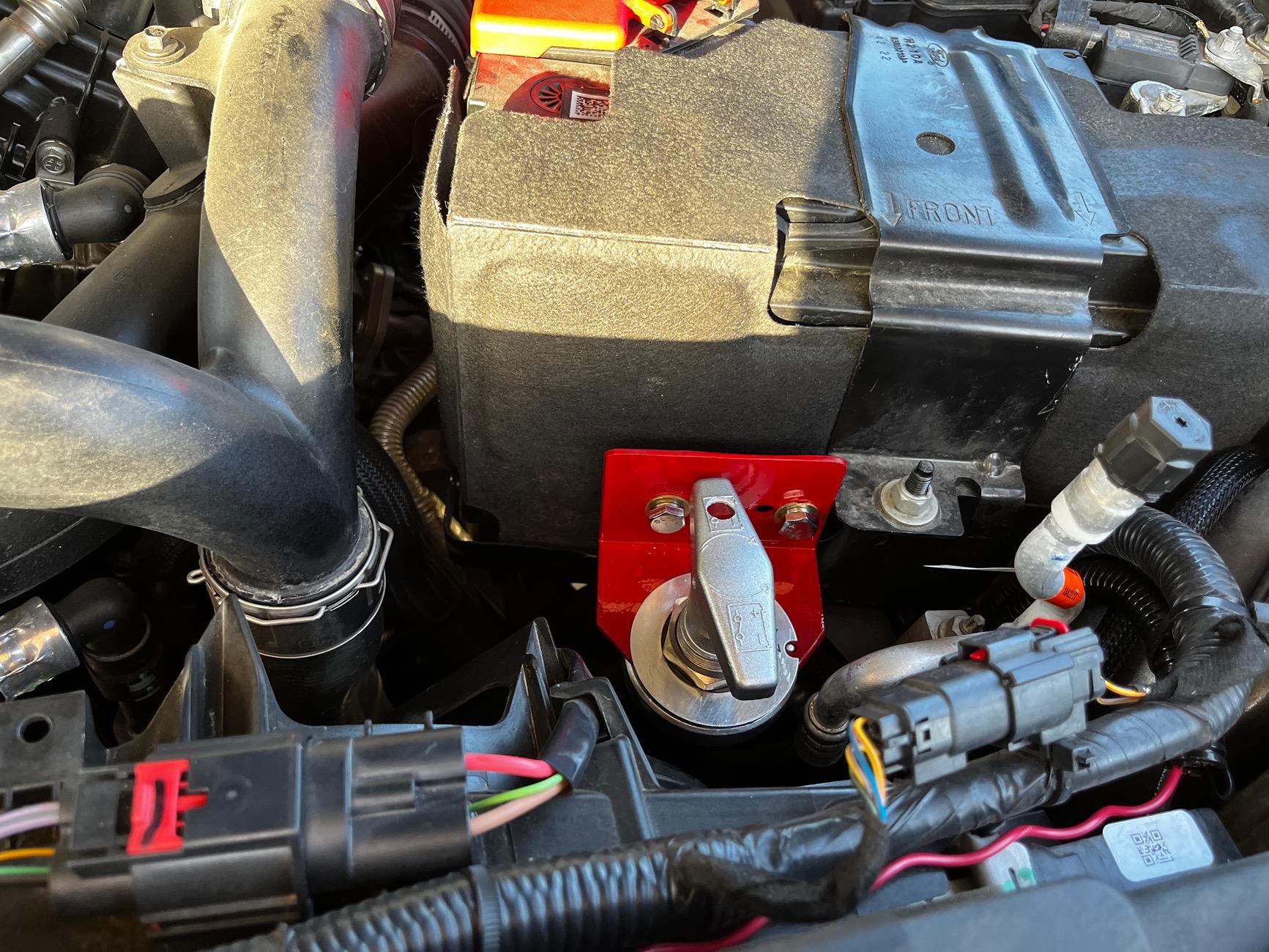
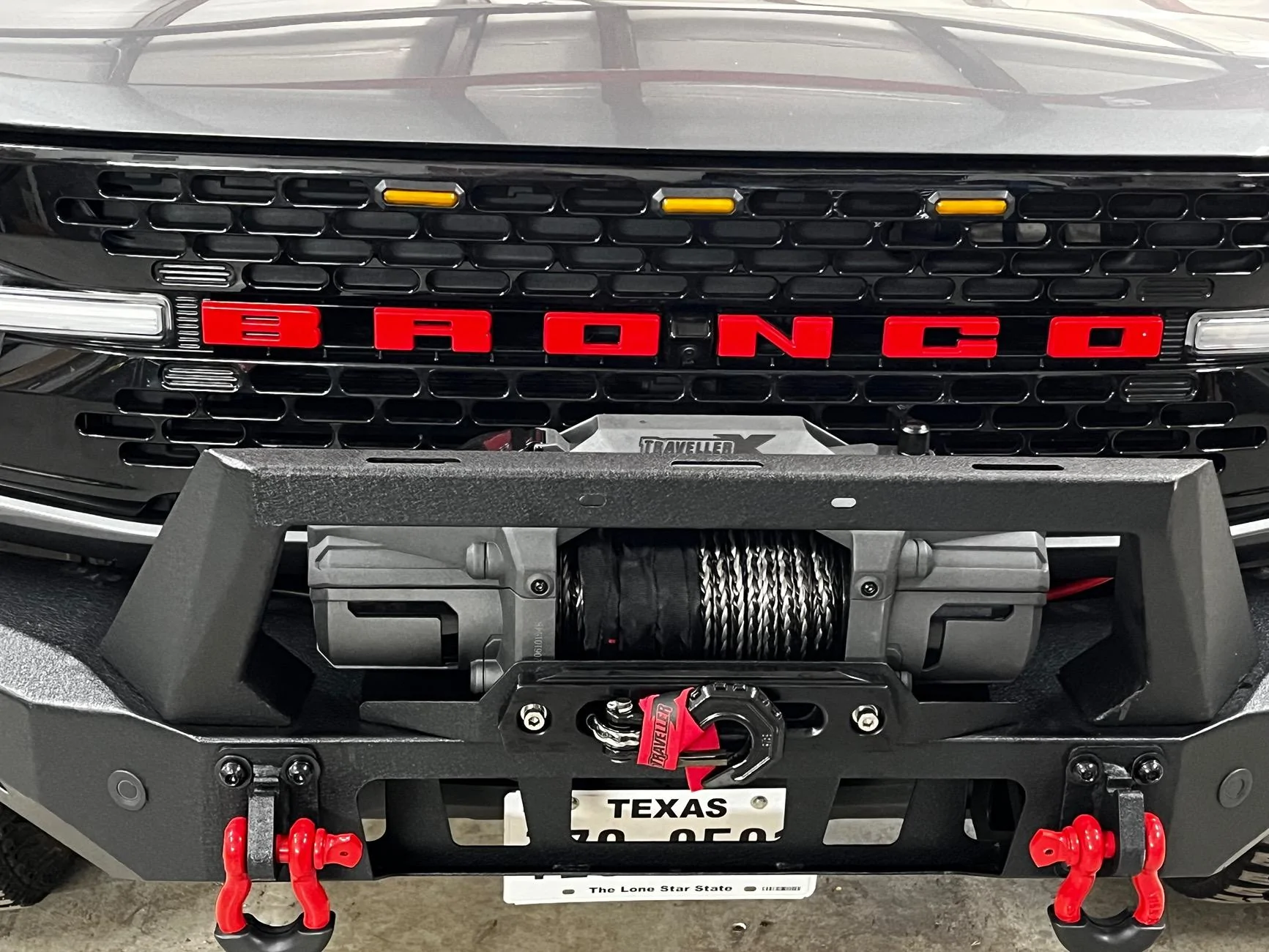

Your Bronco looks awesome! Thanks for sharing photos with the community.I added front and rear bumpers. Then looked naked without winch. Then changed hawles lead so stood out. Then worried about direct connect so added 500a disconnect for winch. Was enough for 2 evenings. For now….
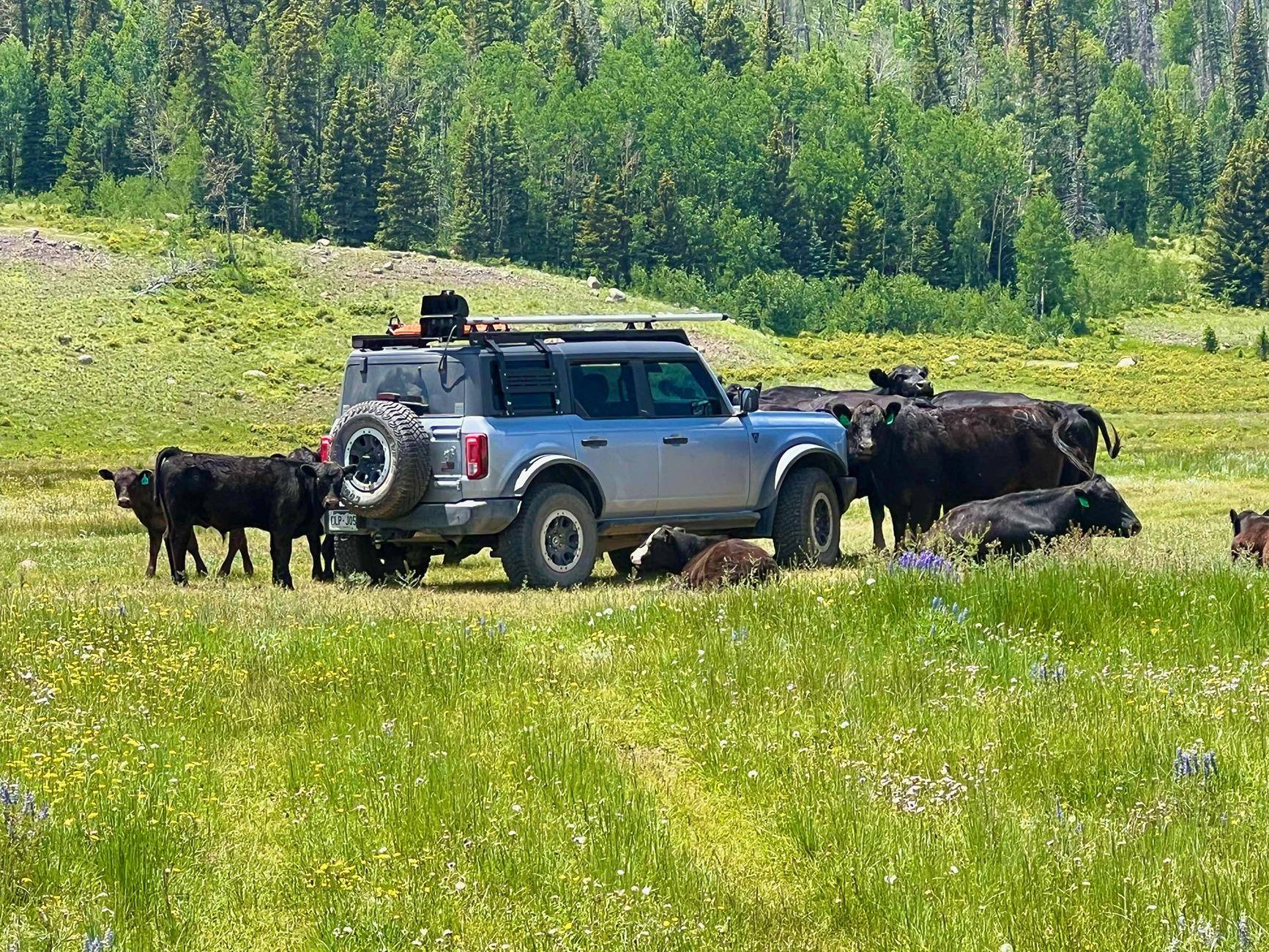
Wrong thread. You should post this in the Photo Challenge thread.Another day on the ranch. No pavement here.