

- First Name
- Fraser
- Joined
- Mar 20, 2023
- Threads
- 7
- Messages
- 266
- Reaction score
- 371
- Location
- Orange County, California
- Vehicle(s)
- BMW e92 328
- Your Bronco Model
- Wildtrak
- Thread starter
- #1
Hi Guys,
I get a bajillion questions all around a similar topic so I though it would be easier for everyone if i dump my knowledge into one place.
There are 3 audio systems in the bronco:
Base:
In this system the Heaudnit(ACM, Audio control module) drives all speakers directly, woofers and tweeters are driven off the same channel in the front and then one channel each to the rear pods. In this system the ACM does all your signal processing and chimes handling.
Mid:
In this system the ACM drives all the speaker and also sends a low level signal to the rear subwoofer amplifier. In this system the ACM does all your audio processing and chimes handling as well.
**Both of the above systems can be coded to disable DSP processing and you do not need an interface**
B&O system:
This system is fundamentally different to the other two, in this system the ACM does not do any processing at all, nor does it handle chimes. it simply passes a full range unprocessed signal to the rear amplifier over A2B (Automotive audio bus) This is a pure digital 24bit 48k signal. The ACM will then send all of the fade, balance and other audio related commands including chimes via the CAN bus. The amplifier has to handle all of this as well as process the signal.
The back amplifier drives the front door woofer, the dash speakers and the subwoofer, 5 channels in total. The ACM drives the rear pods and the center channel, 3 channels total (it does not do the processing for these channels though!! this signal is fed through the rear amp and then back to the ACM via A2B). This is why we include an ACM harness in our kit to grab these speaker wires and run them back for our amp to drive them. This is also why these speakers stop playing when you fit an aftermarket A2B pre-amp or amp.
Upgrading these systems:
Base and mid are easy to upgrade but you will never get as good of a result as you will upgrading the B&O system and ill explain why. You can code the base systems and then feed them into any DSP amp and get a good result, however you are still grabbing a signal that was digital in the ACM then it was converted to analogue to be amplified, then fed into the aftermarket DSP and converted back to digital and then finally back to analogue to be amplified AGAIN. So that is 3 conversions!! You will loose a lot of fidelity.
If you're upgrading the B&O system you might as well take full advantage of this digital audio bus and get a seriously awesome system. Here are your options:
By far the easiest and most advanced way to upgrade this system is with out K2 amplifier. It is the ONLY aftermarket amplifier on the market that takes the factory A2B bus directly in. Therefore you have the most pure signal path possible. It is also the only way to retain full fade and directional chimes (like parking beeps) with a digital input. I get a lot of questions on why our amplifier is different to others and this is why.
Why you don't want to leave the B&O amp in when upgrading these systems - The B&O amplifier has a full DSP and each channel is tuned to each speaker and its specific response. The factory B&O speakers will have a completely different frequency response to most aftermarket speaker and this is why you can actually end up with a worse sounding system by just swapping speakers sometimes. Even if you add a DSP amplifier after the B&O amplifier to correct this signal you're still battling an already amplified signal and now you're double DSPing it. You also have no ability to adjust chime level independently to the rest of the signals.
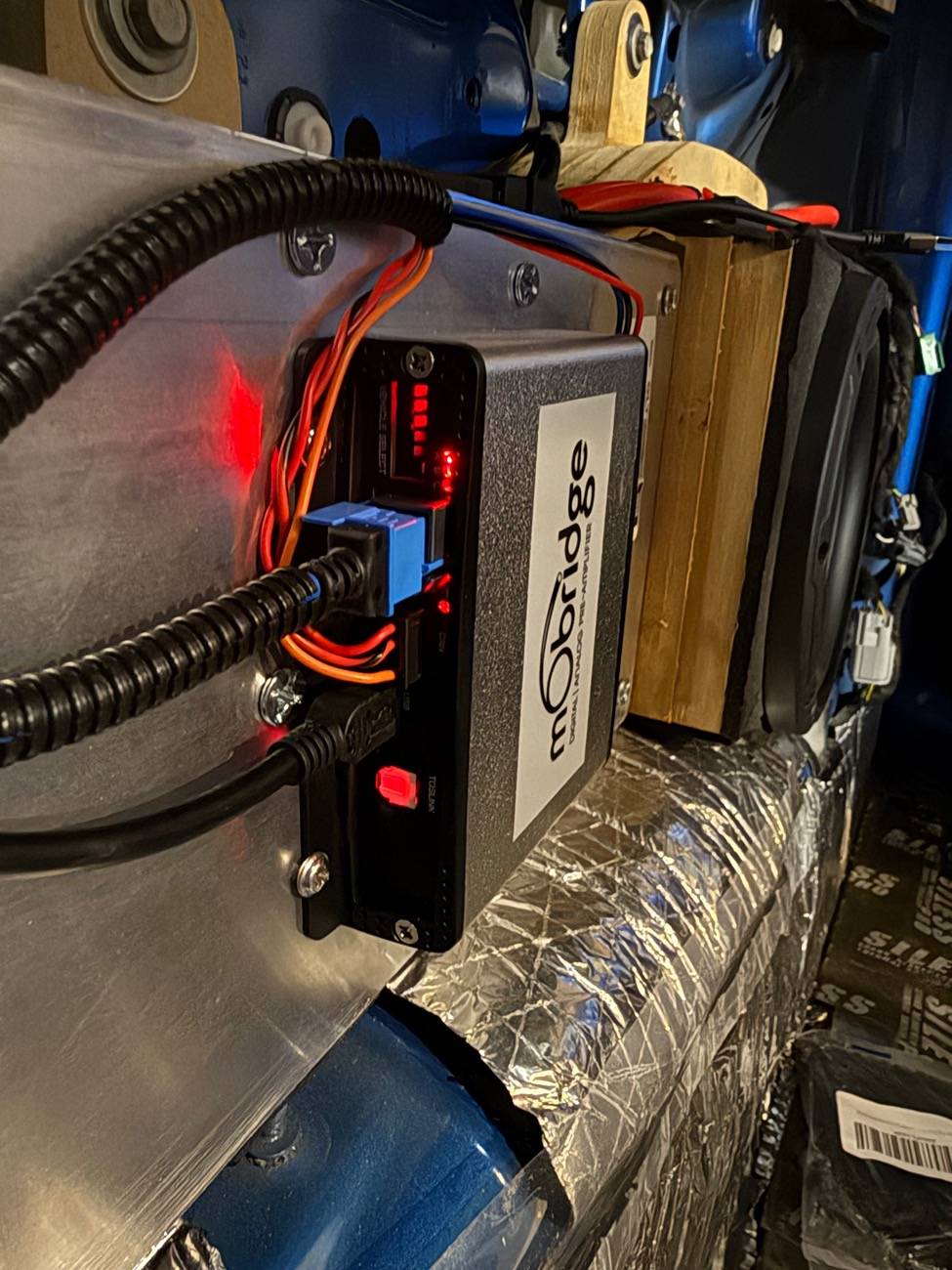
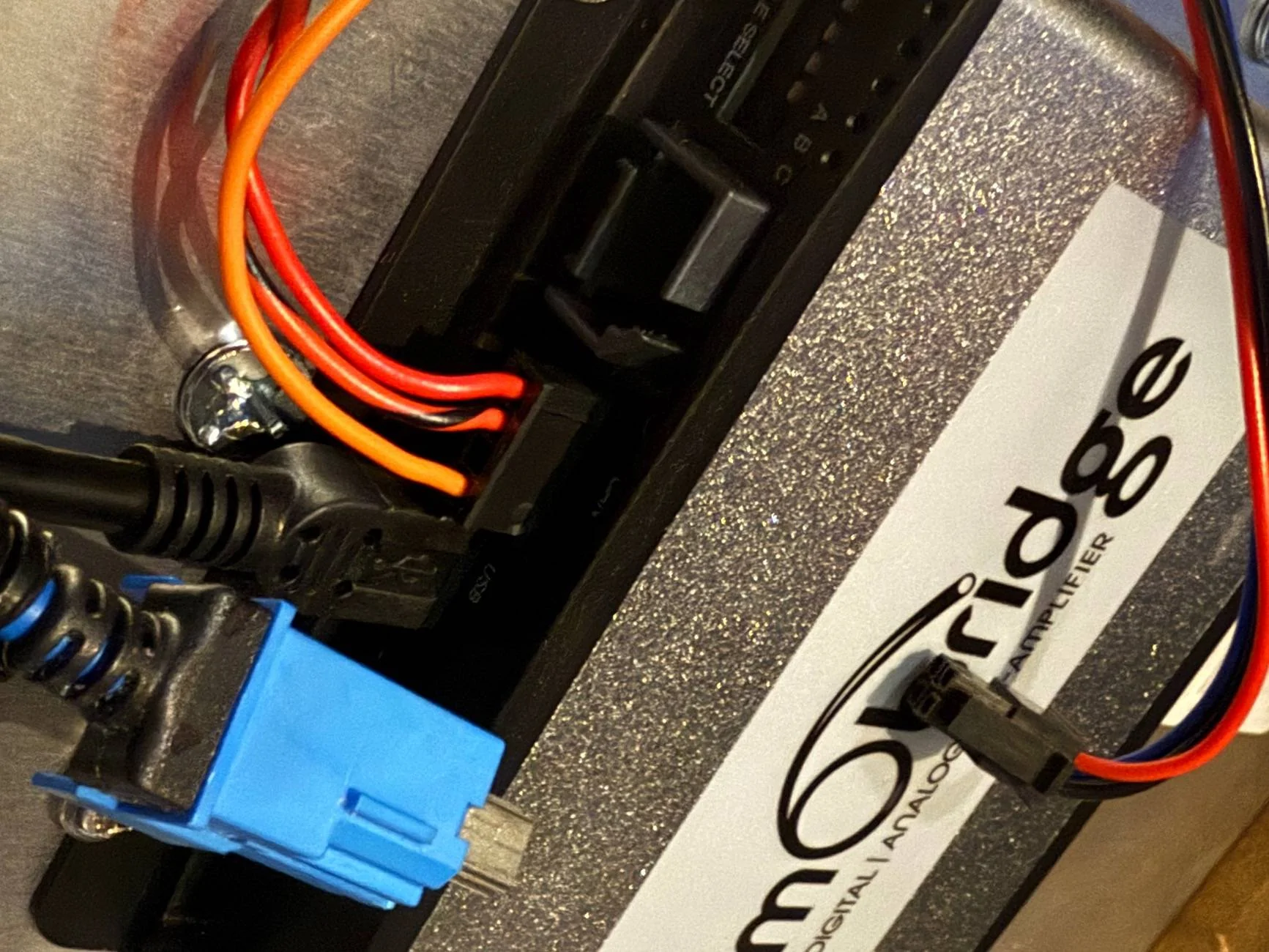
What a pre-amp does - A pre-amp grabs the audio signal off the A2B bus and the audio commands off the CAN bus and converts them into an RCA output and or TOSLINK. Because the amplifier is removed from the system you get a clean untouched signal you can then feed this into any aftermarket amplifier you choose.
I recommend this approach if you want a stupid amount of power or if you like slightly warmer sound of class A/B amplifiers.
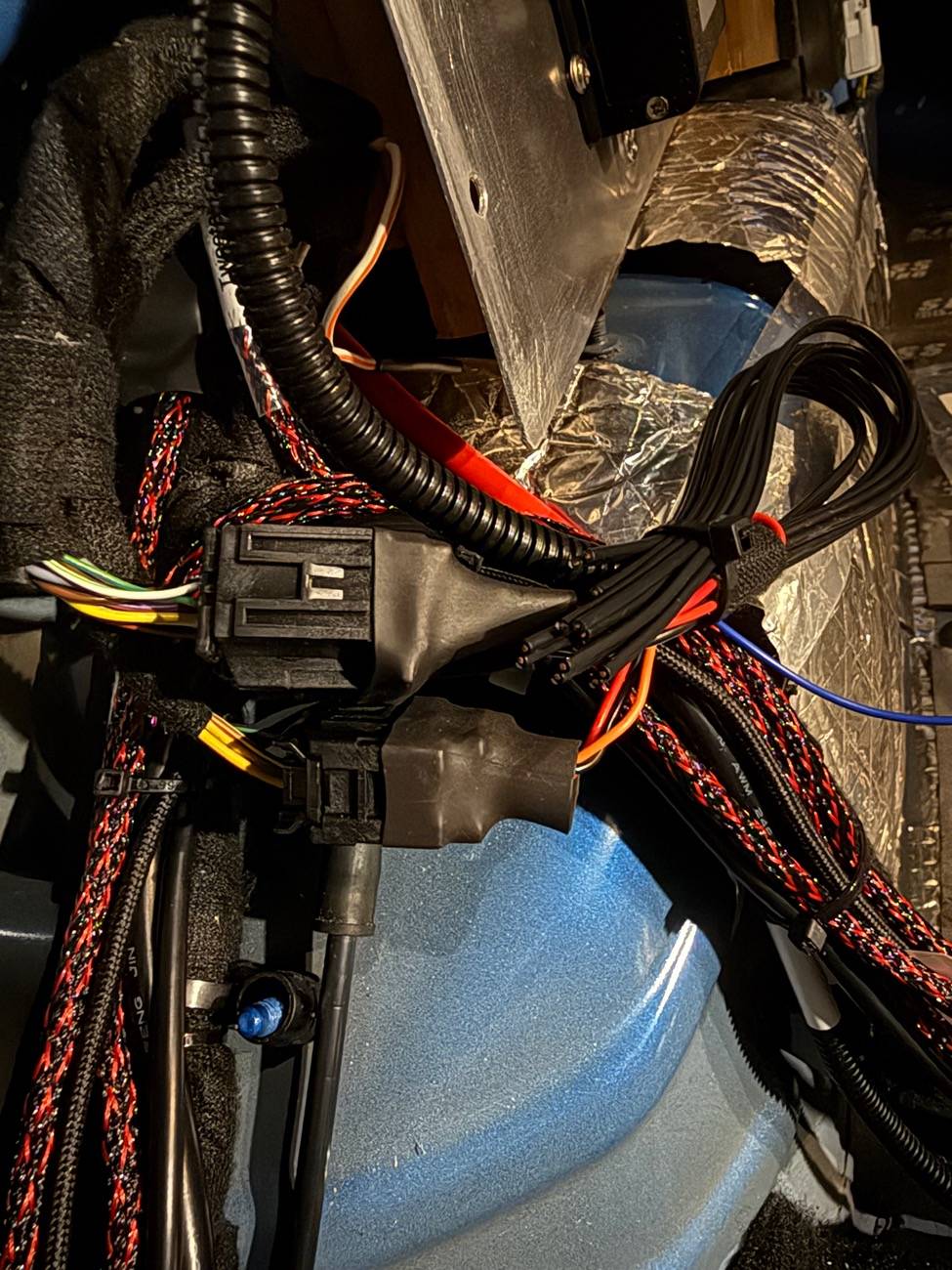
The pre-amp approach is a much bigger job as you have multiple modules to wire up and mount and tune.
Output figures of B&O amp vs K2 (RMS figures)
Factory - K2
Sub 50w 400W
Kick panels 25w 150w
All other locations 25W 70w
How to get the best bang for buck upgrade on a tight budget - This is the question i get asked the most, now as i don't really dabble in the non-B&O realm i will not comment on these systems as I don't have enough experience. This advice applies for B&O systems only
In my opinion by far the best bang for buck upgrade is to upgrade the amplifier and subwoofer. Unfortunately with modern cars that have heavily tuned factory dsp amplifier gone are the days of upgrading your speakers to 6x9s and getting awesome results. The factory speakers can handle a little bit more power and don't sound half bad when tuned correctly. As the subwoofer is the most power hungry speaker it is also the one that needs to be upgraded first when you add more power. The combination of increased sub, slightly more midbass from the increased power in the kicks and hands down better amplifier and DSP means you actually get a night and day increase in audio performance while not blowing the budget and making your wife angry.
TLDR:
- Yes, the K2 supports all factory functionality including directional chimes, it is the only way to so this with a digital signal path.
- Don't even bother trying to do anything more than a sub upgrade in a B&O system without a pre-amp installed at a minimum.
- All-in-one amp is easiest and advacned way to upgrade these cars and can be done DIY.
I also figured this would be a good place for everyone to post questions. So ask away!
I get a bajillion questions all around a similar topic so I though it would be easier for everyone if i dump my knowledge into one place.
There are 3 audio systems in the bronco:
Base:
In this system the Heaudnit(ACM, Audio control module) drives all speakers directly, woofers and tweeters are driven off the same channel in the front and then one channel each to the rear pods. In this system the ACM does all your signal processing and chimes handling.
Mid:
In this system the ACM drives all the speaker and also sends a low level signal to the rear subwoofer amplifier. In this system the ACM does all your audio processing and chimes handling as well.
**Both of the above systems can be coded to disable DSP processing and you do not need an interface**
B&O system:
This system is fundamentally different to the other two, in this system the ACM does not do any processing at all, nor does it handle chimes. it simply passes a full range unprocessed signal to the rear amplifier over A2B (Automotive audio bus) This is a pure digital 24bit 48k signal. The ACM will then send all of the fade, balance and other audio related commands including chimes via the CAN bus. The amplifier has to handle all of this as well as process the signal.
The back amplifier drives the front door woofer, the dash speakers and the subwoofer, 5 channels in total. The ACM drives the rear pods and the center channel, 3 channels total (it does not do the processing for these channels though!! this signal is fed through the rear amp and then back to the ACM via A2B). This is why we include an ACM harness in our kit to grab these speaker wires and run them back for our amp to drive them. This is also why these speakers stop playing when you fit an aftermarket A2B pre-amp or amp.
Upgrading these systems:
Base and mid are easy to upgrade but you will never get as good of a result as you will upgrading the B&O system and ill explain why. You can code the base systems and then feed them into any DSP amp and get a good result, however you are still grabbing a signal that was digital in the ACM then it was converted to analogue to be amplified, then fed into the aftermarket DSP and converted back to digital and then finally back to analogue to be amplified AGAIN. So that is 3 conversions!! You will loose a lot of fidelity.
If you're upgrading the B&O system you might as well take full advantage of this digital audio bus and get a seriously awesome system. Here are your options:
By far the easiest and most advanced way to upgrade this system is with out K2 amplifier. It is the ONLY aftermarket amplifier on the market that takes the factory A2B bus directly in. Therefore you have the most pure signal path possible. It is also the only way to retain full fade and directional chimes (like parking beeps) with a digital input. I get a lot of questions on why our amplifier is different to others and this is why.
Why you don't want to leave the B&O amp in when upgrading these systems - The B&O amplifier has a full DSP and each channel is tuned to each speaker and its specific response. The factory B&O speakers will have a completely different frequency response to most aftermarket speaker and this is why you can actually end up with a worse sounding system by just swapping speakers sometimes. Even if you add a DSP amplifier after the B&O amplifier to correct this signal you're still battling an already amplified signal and now you're double DSPing it. You also have no ability to adjust chime level independently to the rest of the signals.
What a pre-amp does - A pre-amp grabs the audio signal off the A2B bus and the audio commands off the CAN bus and converts them into an RCA output and or TOSLINK. Because the amplifier is removed from the system you get a clean untouched signal you can then feed this into any aftermarket amplifier you choose.
I recommend this approach if you want a stupid amount of power or if you like slightly warmer sound of class A/B amplifiers.
The pre-amp approach is a much bigger job as you have multiple modules to wire up and mount and tune.
Output figures of B&O amp vs K2 (RMS figures)
Factory - K2
Sub 50w 400W
Kick panels 25w 150w
All other locations 25W 70w
How to get the best bang for buck upgrade on a tight budget - This is the question i get asked the most, now as i don't really dabble in the non-B&O realm i will not comment on these systems as I don't have enough experience. This advice applies for B&O systems only
In my opinion by far the best bang for buck upgrade is to upgrade the amplifier and subwoofer. Unfortunately with modern cars that have heavily tuned factory dsp amplifier gone are the days of upgrading your speakers to 6x9s and getting awesome results. The factory speakers can handle a little bit more power and don't sound half bad when tuned correctly. As the subwoofer is the most power hungry speaker it is also the one that needs to be upgraded first when you add more power. The combination of increased sub, slightly more midbass from the increased power in the kicks and hands down better amplifier and DSP means you actually get a night and day increase in audio performance while not blowing the budget and making your wife angry.
TLDR:
- Yes, the K2 supports all factory functionality including directional chimes, it is the only way to so this with a digital signal path.
- Don't even bother trying to do anything more than a sub upgrade in a B&O system without a pre-amp installed at a minimum.
- All-in-one amp is easiest and advacned way to upgrade these cars and can be done DIY.
I also figured this would be a good place for everyone to post questions. So ask away!
Sponsored