
- Thread starter
- #16
Reg-ler woooo! ?regular per Ford's site
![]()
*edit: I re-read your post and if its more of an asking an opinion, I would stick with factor recommendation unless you go with an aftermarket tune that is for a specific fuel.
Sponsored
Reg-ler woooo! ?regular per Ford's site
![]()
*edit: I re-read your post and if its more of an asking an opinion, I would stick with factor recommendation unless you go with an aftermarket tune that is for a specific fuel.
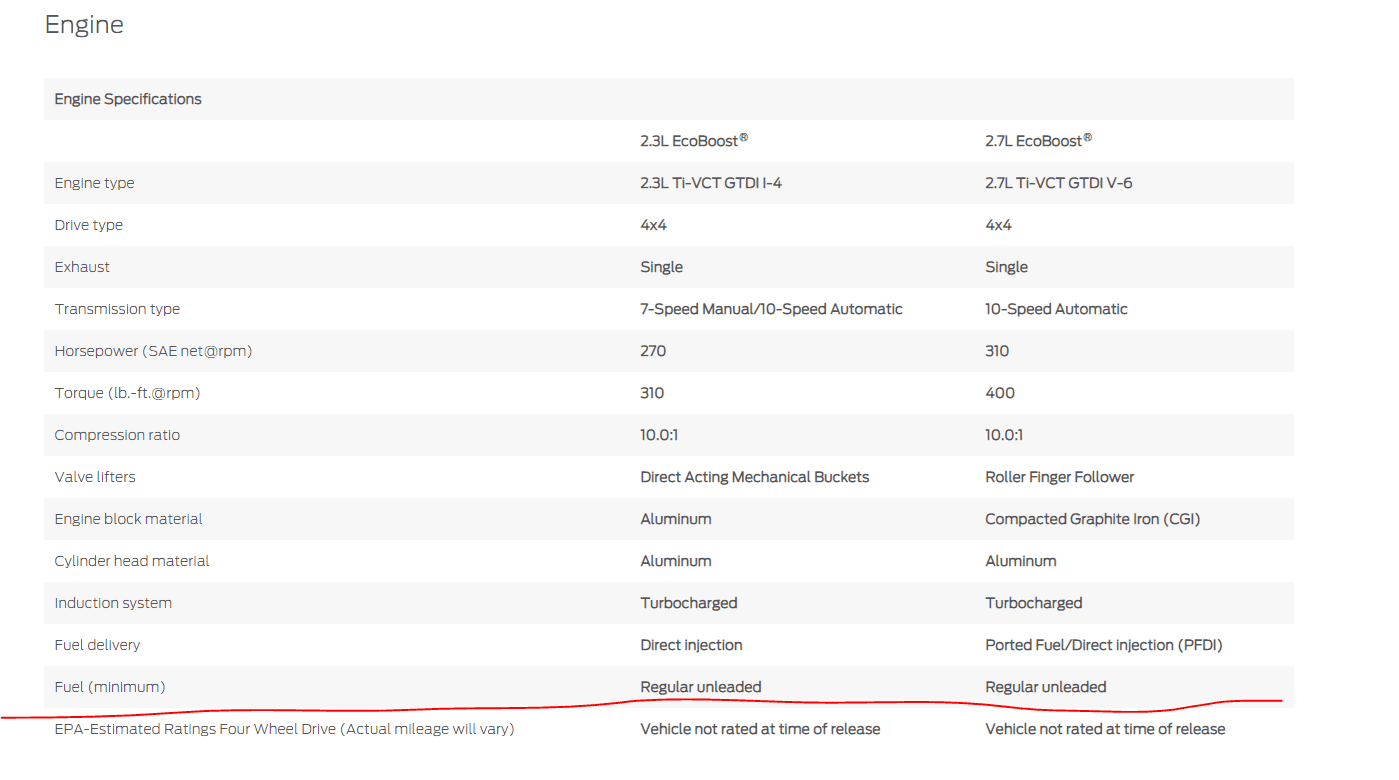
Only if the ECU is calibrated for it. No point in running it unless tuned for it.Question for those in the know about this kind of stuff... even if premium grade fuel is not required on the 2.7L engine, does the engine perform any better with higher grade fuel than it does with standard?
I really hope so. Easy way to make more power is upping the octane and having the ECU calibrated for it.Does anyone know if the Ford performance tune on the Ranger requires 93 octan? I’m hoping that tune is available around launch for the Bronco.
I don't have an answer for you.Question for those in the know about this kind of stuff... even if premium grade fuel is not required on the 2.7L engine, does the engine perform any better with higher grade fuel than it does with standard?
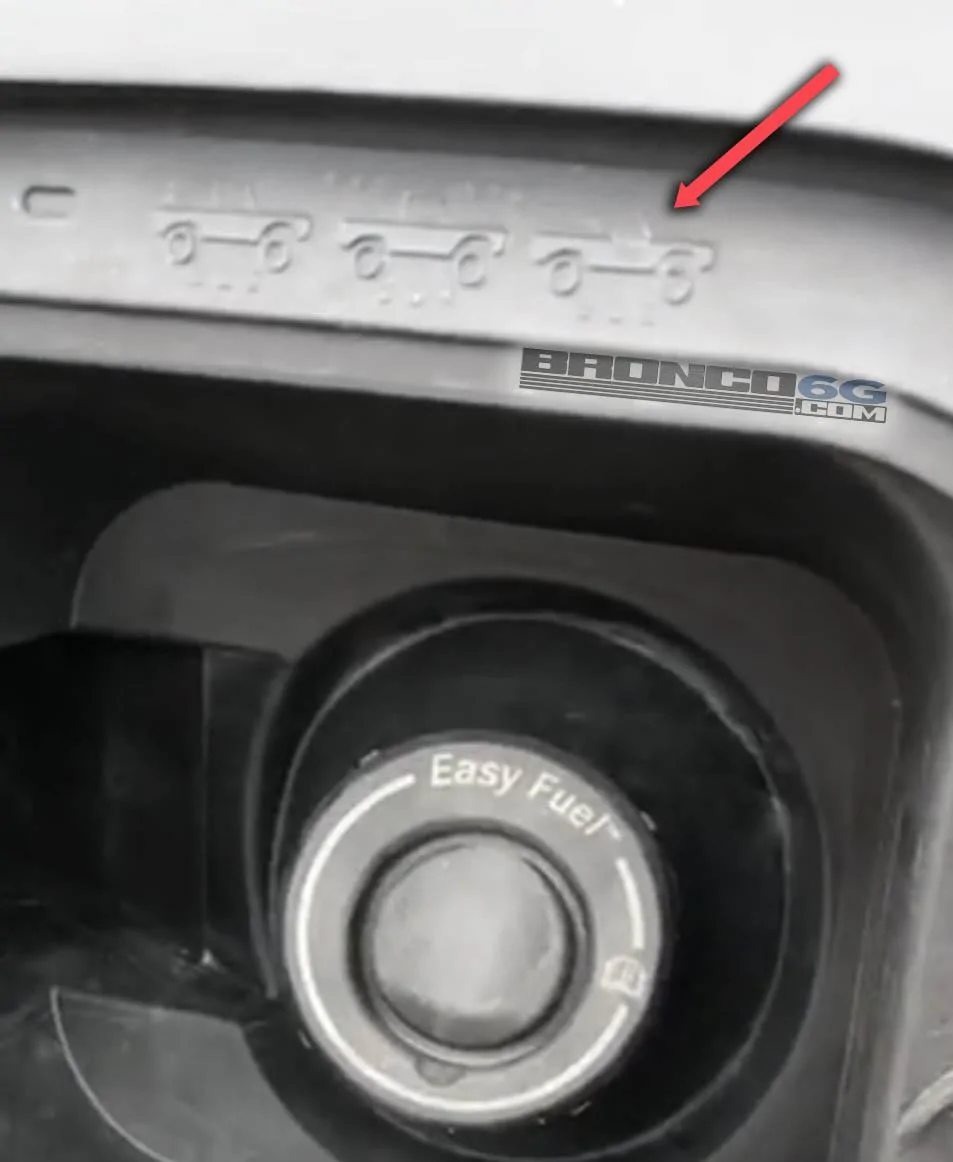
Speaking of fuel, do we think the tank will be capless? My 2009 F-150 is capless. Did they keep this?
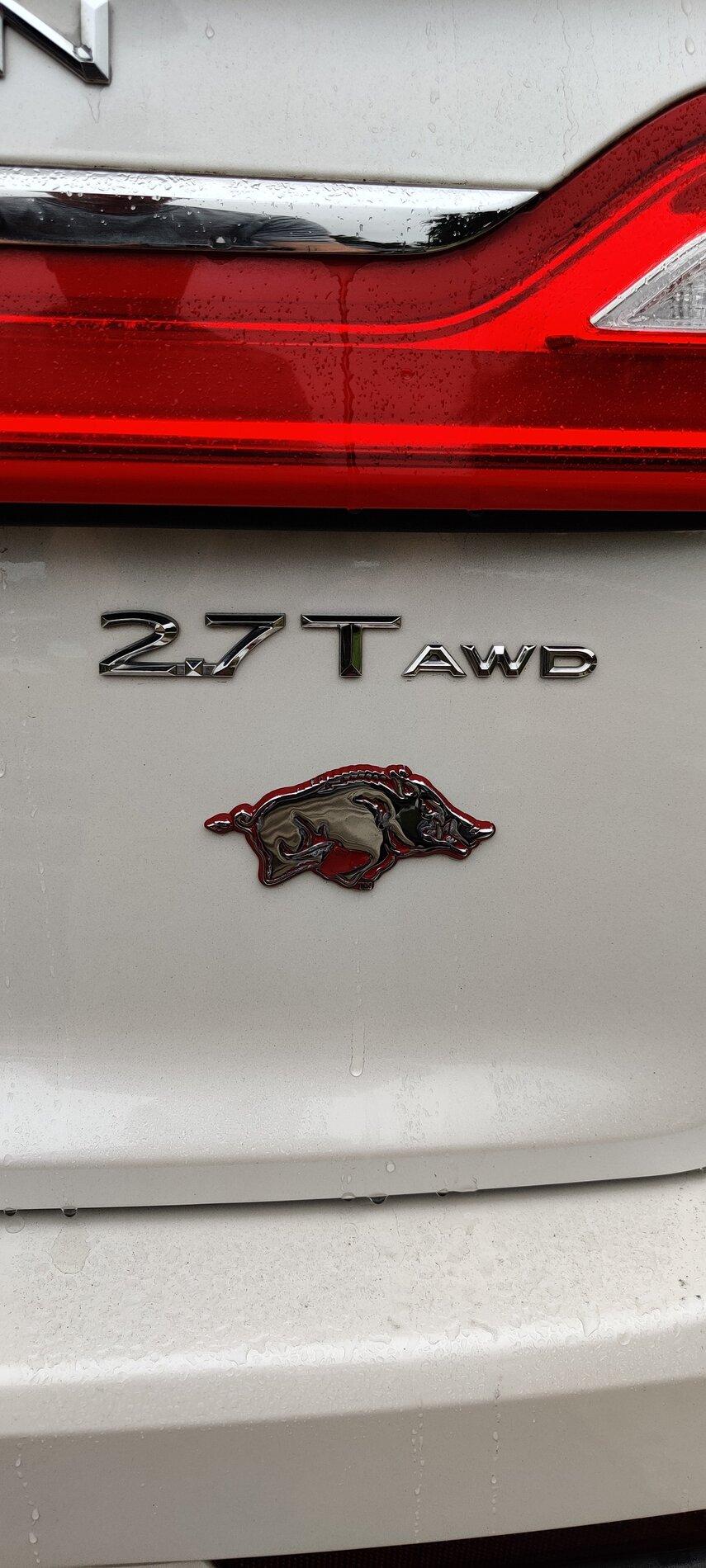
Nice Razorback.I have the 2.7l turbo in my MKX and run regular. It puts your head back in the head rest in sport so never a need for premium fuel.
![]()
More interested in the cold air intake to boost it... On a side note, glad mine doesn't have the start/stop. I would bypass that as soon as I got home!Here's a good overview of the 2.7L Eco... It mentions as well that there is engine management that controls the power output based on the octane rating, however it specifically mentions the 3.5l in this case... So you could assume the same is true for any of the Eco's, but that may or not be the case...?
https://www.blueovaltrucks.com/tech-articles/ford-2-7l-ecoboost-engine/
According to Ford Edge Sport Forum (2.7L TT Engine) it does make a difference but it is unnoticeable. I cannot tell the difference personally but it is estimated to have up to a 15hp swing based on the fuel.Question for those in the know about this kind of stuff... even if premium grade fuel is not required on the 2.7L engine, does the engine perform any better with higher grade fuel than it does with standard?
Yes, unquestionably.Question for those in the know about this kind of stuff... even if premium grade fuel is not required on the 2.7L engine, does the engine perform any better with higher grade fuel than it does with standard?
Ford's spark management is very sophisticated and constantly monitors for the indicators of knock on a per-cylinder basis, then advances or retards timing on individual cylinders to maximize power production. Running a lower octane fuel results in earlier knock, so power will be pulled. You are 100% fine and 100% safe running 87 octane, but you will not be making as much peak power/torque.Horsepower and torque ratings achieved with 93-octane fuel.
How many contaminants do they allow in non-premium gas?i've been using premium (91 octane here in toronto) since day one for my Mustang Ecoboost 2.3. Premium gas has less contaminants so I tend to look at cleaner gas being better for the longevity of the car more so than for performance