
Drive like that in front of any state patrol officer and you'll get tagged for reckless driving.He disagrees...

Sadly my statements are wholly related to proper driving on maintained interstates. Not purpose-built race cars.
Sponsored
Drive like that in front of any state patrol officer and you'll get tagged for reckless driving.He disagrees...

Only if he can catch youDrive like that in front of any state patrol officer and you'll get tagged for reckless driving.

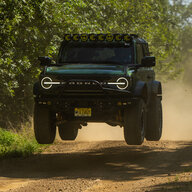
I've made this point numerous times in these forums, but am always met with crickets. I guess I shouldn't be surprised, but it blows my mind that so few drivers notice the drag.I drove around a time or two with 4A engaged. Noticed a very slight drag on the steering wheel vs. 2H. Not nearly as noticeable as 4H, but noticeable.
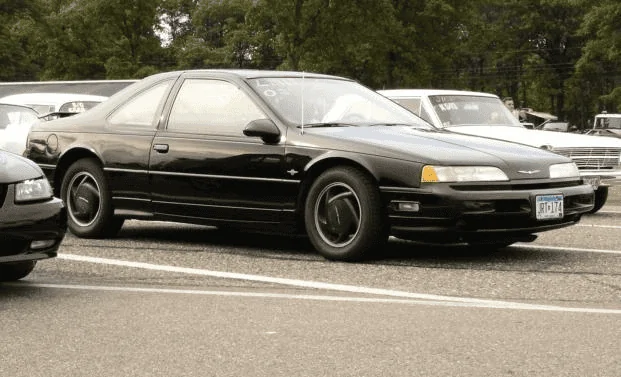
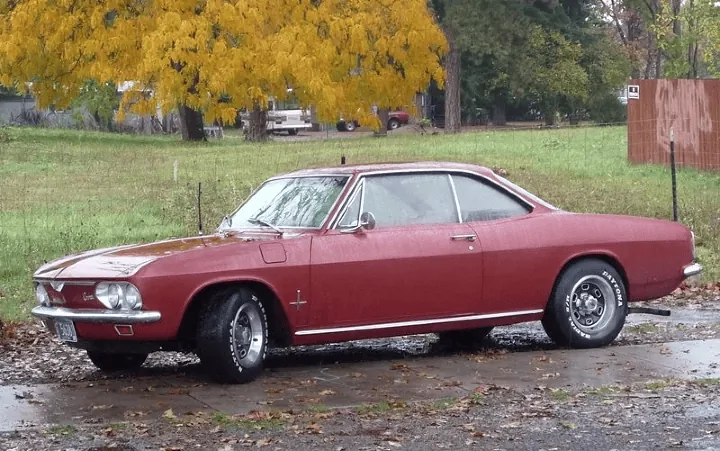
Best car I ever had for driving through the snow during a blizzard was my 90 thunderbird SC. Thew some weight into the back and it went everywhere. Of course I had been driving through snow since I got my license, for 3 years in this corvair, or at least one like it. It was blue and had 14" magnesium wheels installed and was great in the snow, if not a bit prone to oversteer on corners.Use 4WD when the sign says Chains or 4WD Required. 4H or 4L (or 4A) as desired/required. Lock the rear differential when it's really slippery, maybe the front too if you're not getting anywhere in the deep(er) snow. I drove my front wheel drive with all season radials in most snow conditions without chains for years before I upped my game with the Badlands 'Squatch. It's the operator, not so much the equipment... but better equipment always helps. ha! My 2 cents
Developed by LR and then stolen by Ford during their ownership of JLR, AKA "the years JLR made stuff that wasn't too awful">Developed by Land Rover doesn't exactly inspire confidence -- just saying. Toyota maybe.
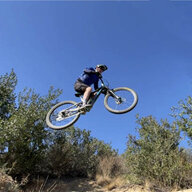
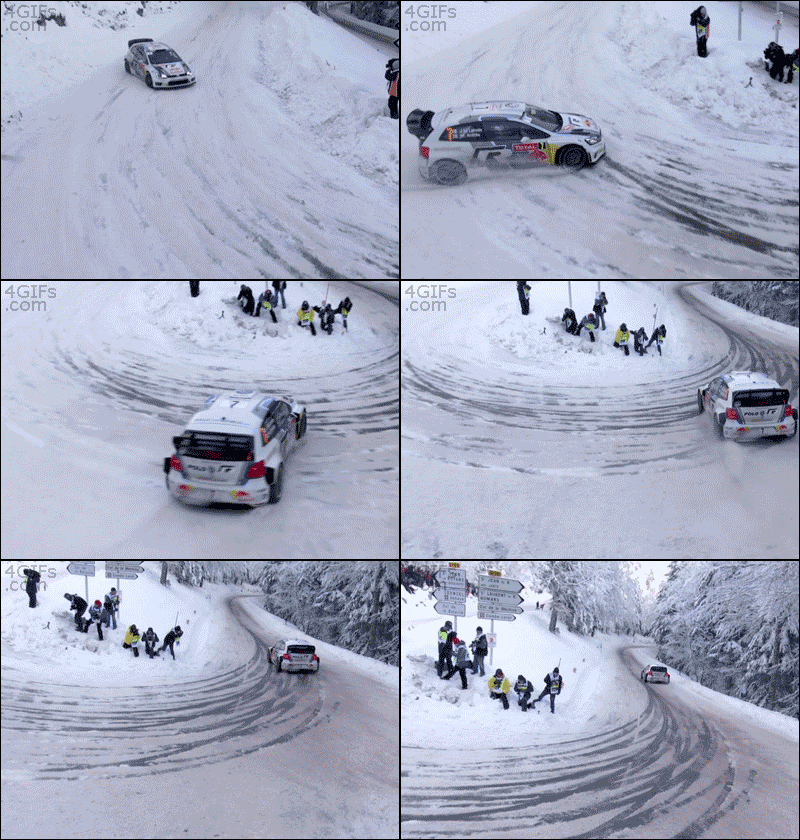
The GIF was admittedly extreme to make a point. 4WD can help with additional vehicle steering and control, not just straight line acceleration or inability to move forward on very slick surfaces.Drive like that in front of any state patrol officer and you'll get tagged for reckless driving.
Sadly my statements are wholly related to proper driving on maintained interstates. Not purpose-built race cars.
The difference to is that GIF was on snow on a sunny day. There was very little ice on the ground. I'm not sure where you are from but highway bridge decks and ramps can be covered in "black ice" and no 4WD system will help you when you need to stop on that.The GIF was admittedly extreme to make a point. 4WD can help with additional vehicle steering and control, not just straight line acceleration or inability to move forward on very slick surfaces.
Whether the car is purpose built is also irrelevant.
I don't think anyone is disputing that--of course no drive system is going to help you stop. But I think @swamp2's point is that 4WD can give you additional steering control in certain circumstances, e.g., limiting fishtailing.The difference to is that GIF was on snow on a sunny day. There was very little ice on the ground. I'm not sure where you are from but highway bridge decks and ramps can be covered in "black ice" and no 4WD system will help you when you need to stop on that.
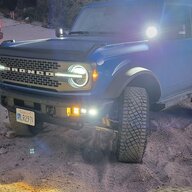

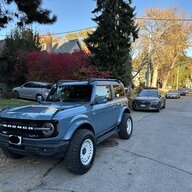
I had no idea this was in the owners manual. Shocked to see it actually.Four-Wheel Drive Modes - Four-Wheel Drive High
FOUR-WHEEL DRIVE HIGH
Four-wheel drive high provides electronically or mechanically locked four-wheel drive power to both the front and rear wheels for use in off-road or winter conditions such as deep snow, sand or mud. This mode is not for use on dry pavement.
Note: Four-wheel drive high can turn on or off automatically based on Drive Mode selection.
2023 Bronco Owner's Manual

4H/4L (4WD) vs 4A (AWD): Main difference is 4WD generally does not allow opposing side wheels to spin at different rates. This means that when turning or traveling on curved roads, loss of traction may occur on one side. On tighter turns this may be experienced as wheel hop. This is why 4WD is NOT recommended on paved roads at all, especially at speeds over 50 mph (or so). For example, on the highway, on a curve, the inner wheel will need to rotate less than the outer wheel during the curve, resulting in one side loosing grip, potentially causing the vehicle to slide, especially in reduced traction conditions (snow, ice, rain, etc.).How many of you all drive in slippery on the highway? I was always told never go above 45 mph in 4H, but I am assuming that irrelevant with modern tech. First snow in MN today, want to make sure I'm not putting any extra stress on my transfer case. Drove to work in 2H and was not fun!
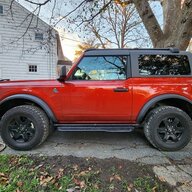
lol are we talking about driving Broncos? Trust me, he can catch you!Only if he can catch you