
Sponsored
Article: My Name Is Sal Gusmano, and I Break Ford Vehicles for a Living (at Michigan Proving Grounds)
- Thread starter Administrator
- Start date
- Watchers 28

- First Name
- Guy
- Joined
- Dec 25, 2024
- Threads
- 3
- Messages
- 73
- Reaction score
- 37
- Location
- OVERGAARD, AZ
- Vehicle(s)
- jeep
- Your Bronco Model
- Badlands
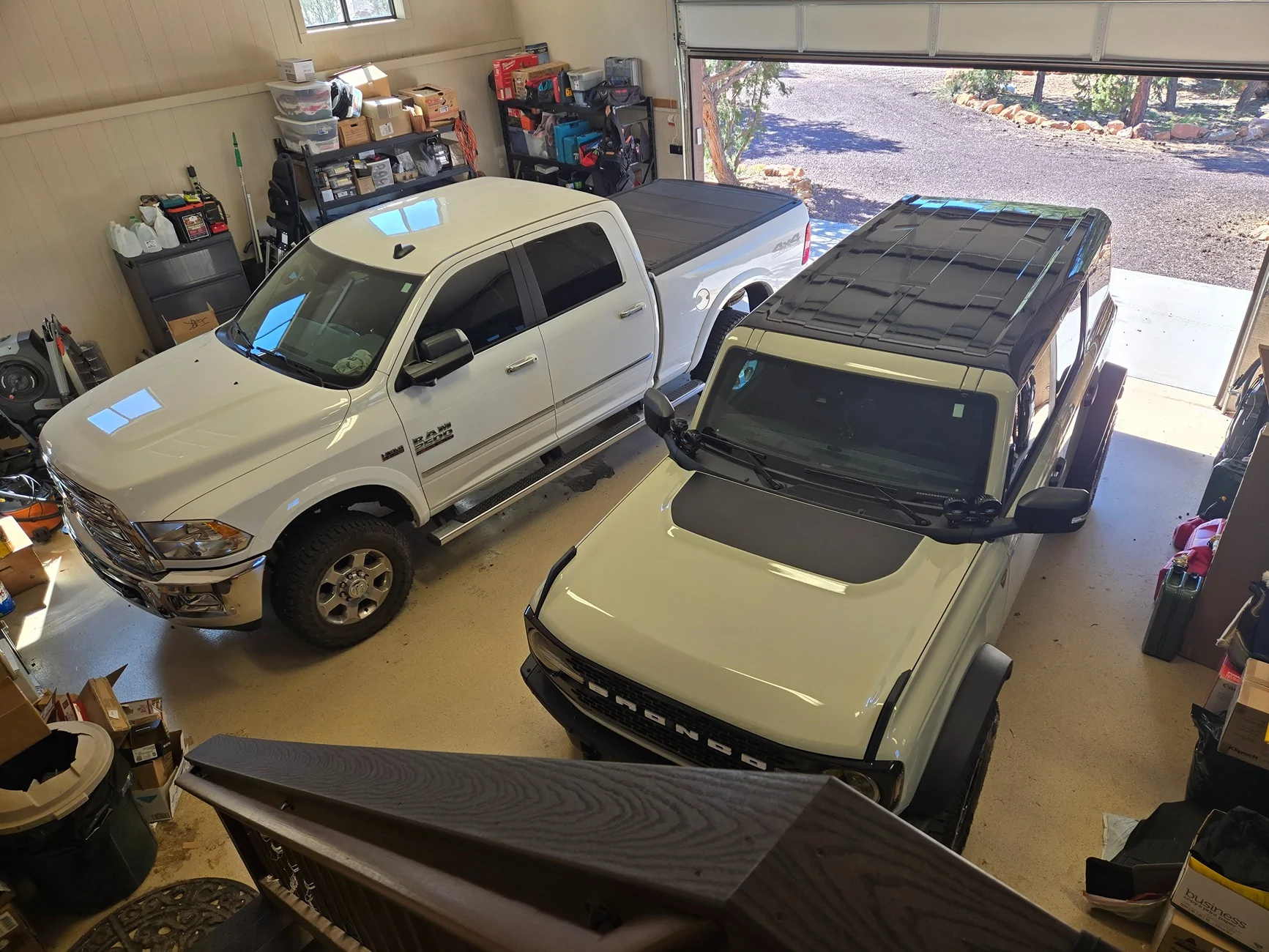
My 2025 badlands was selected and driven by them. I'm glad it was. Thanks guys.


- First Name
- Steve
- Joined
- Mar 28, 2024
- Threads
- 0
- Messages
- 91
- Reaction score
- 35
- Location
- Toronto Ontario Canada
- Vehicle(s)
- 2023 Heritage Limited REB Sasquatch 2.7 4DR , 2023, 2004 GL1800, 2020 Slingshot
- Your Bronco Model
- Badlands
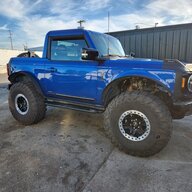
I agree. If you over extend a machine, without implementing strength enhancements, you cannot blame Ford. I remember driving Bronco in 1966 and the machine is definitely stronger now. Anything will break with enough leverage. The tie rods are strong but putting on 37s on a jacked up Badlands, increases mechanical advantage. Steel breaks with enough force.He's testing stock vehicles. Not ones that have been lifted with oversized tires. Every post I've seen on here where someone broke a tie rod, the Bronco was lifted with oversized tires.
I've even asked for posts from people who brock a tie rod in a stock vehicle.

But what's the fun in that?Ford did a lot of testing. Just like software companies do a lot of Beta testing. But the final test is when a product is released to the public. Once you increase your testing pool the chances of finding a problem increase.
Trained drivers, probably accompanied by engineers, did all the driving for Ford's testing. An untrained driver can be more creative about how to break something.
I like the idea of carrying a spare tie rod. I'm considering it since they don't cost much and don't take up much space. But I probably won't. I have no interest in rock crawling and given the option of two different paths, I'll always take the easiest one.

- First Name
- Calvin
- Joined
- Mar 15, 2022
- Threads
- 16
- Messages
- 2,475
- Reaction score
- 3,111
- Location
- Phoenix, AZ
- Vehicle(s)
- 2002 Subaru WRX Wagon, 2023 Badlands (nonSAS)
- Your Bronco Model
- Badlands
Been there, got the t-shirt.But what's the fun in that?
Sponsored


January 12, 2026
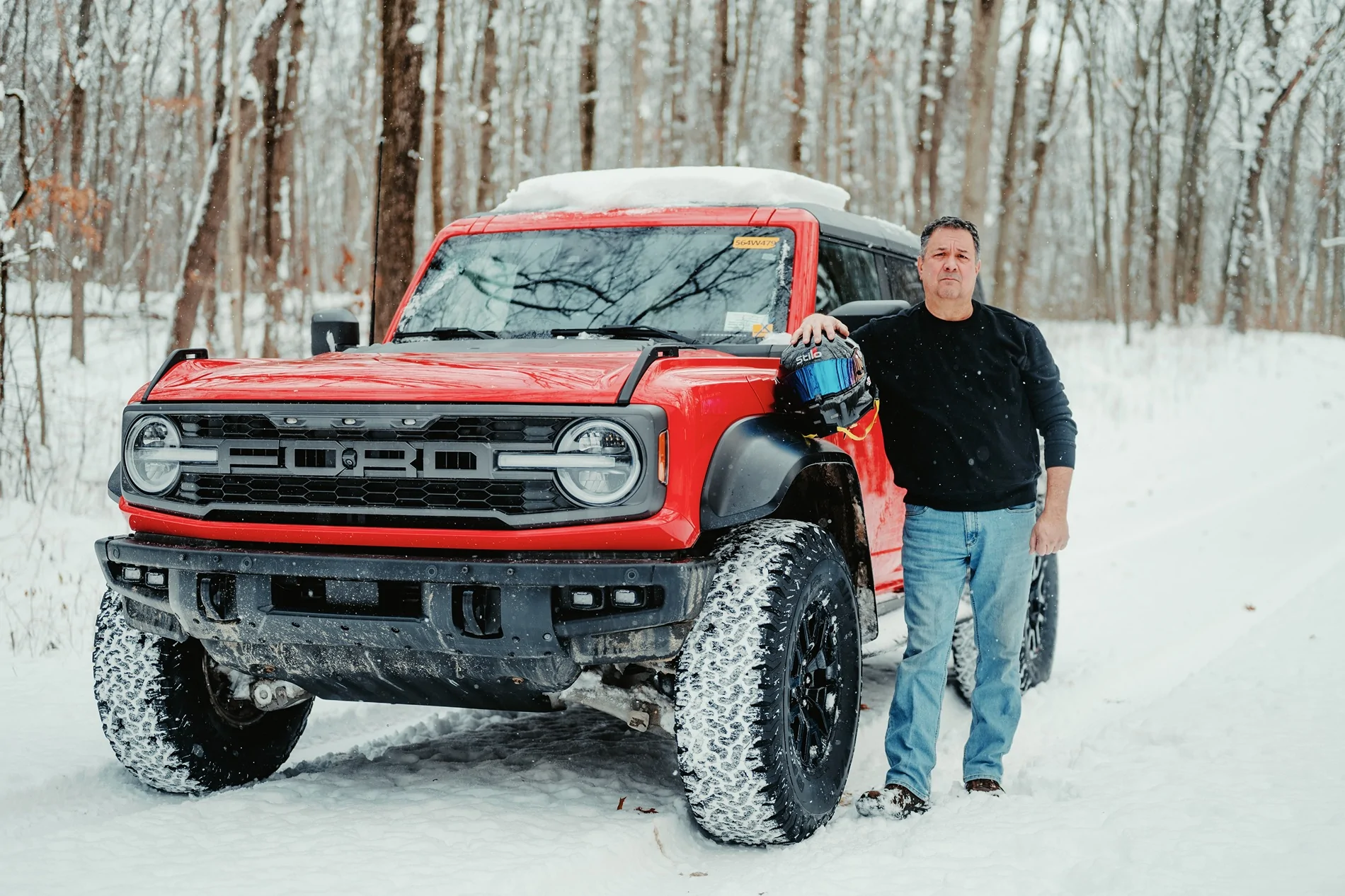
Words by Sal Gusmano, unit supervisor for vehicle evaluation and verification at Michigan Proving Grounds.
My Name Is Sal Gusmano, and I Break Ford Vehicles for a Living
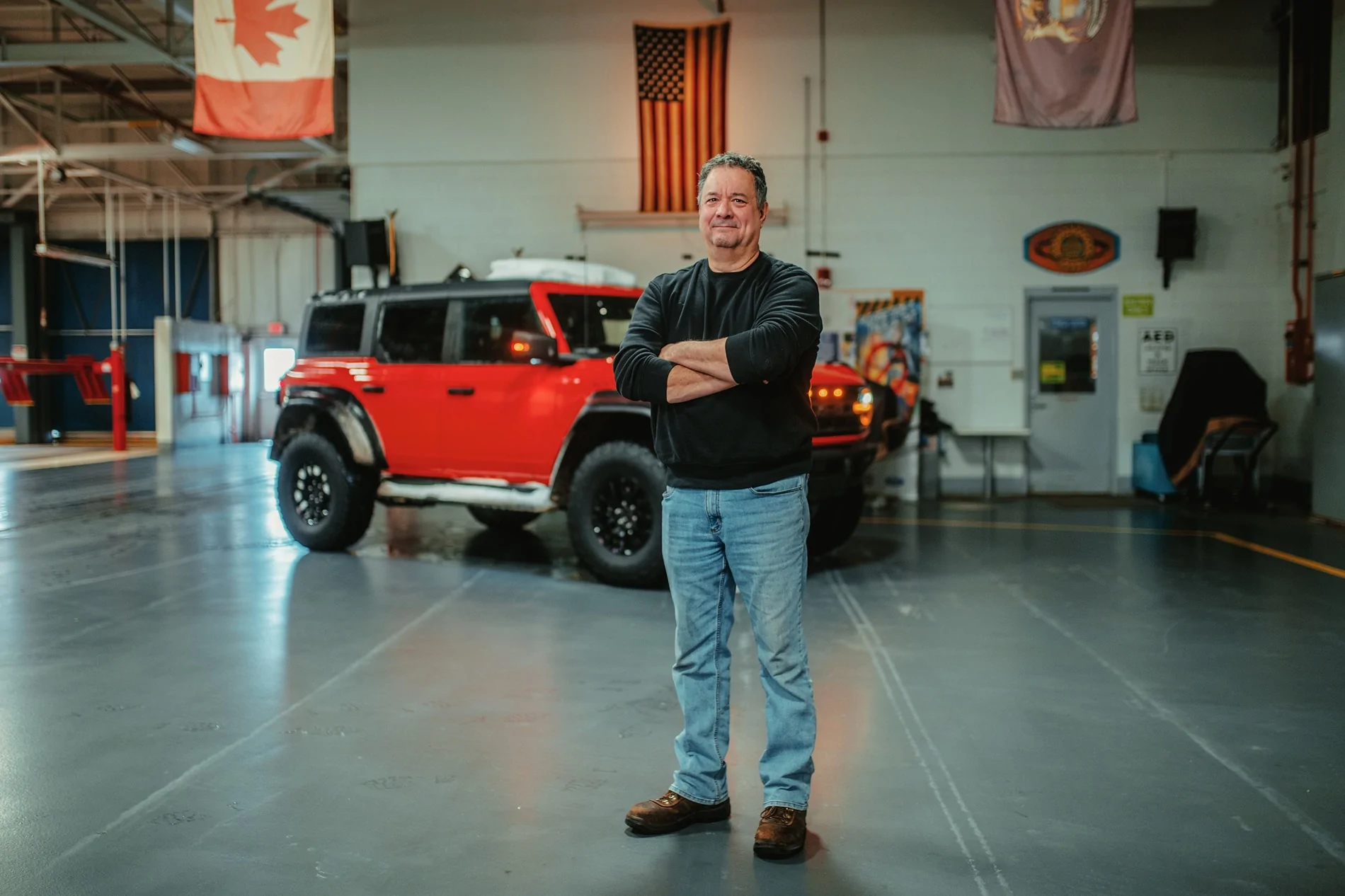
As a kid, I used to ride past Michigan Proving Grounds (MPG) and ask my parents what goes on behind the fences. Today, as a third-generation Ford employee, I’ve been on the other side for 34 years. I’m a specially trained and certified Tier 4 driver — one of 25 in the world.
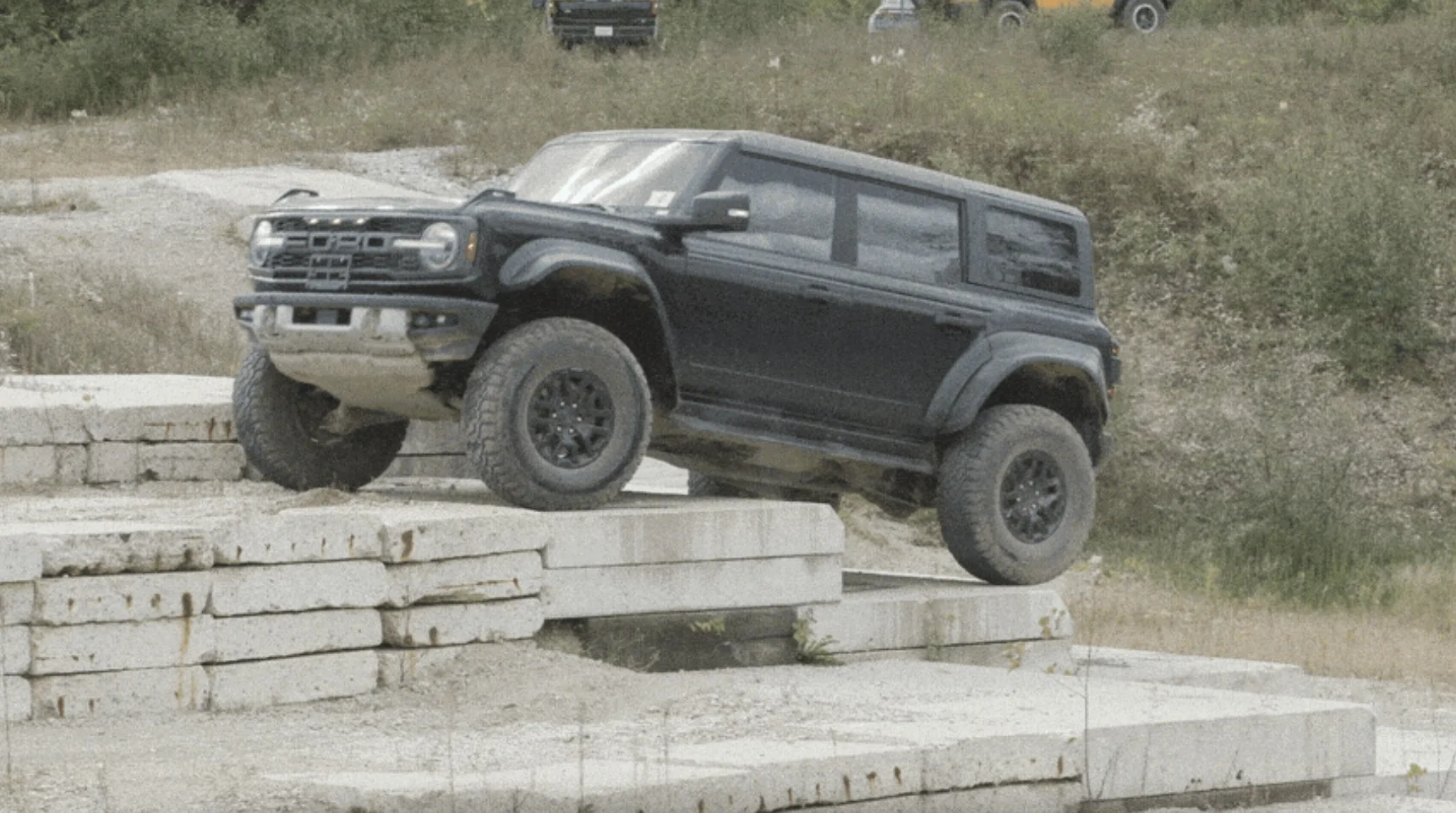
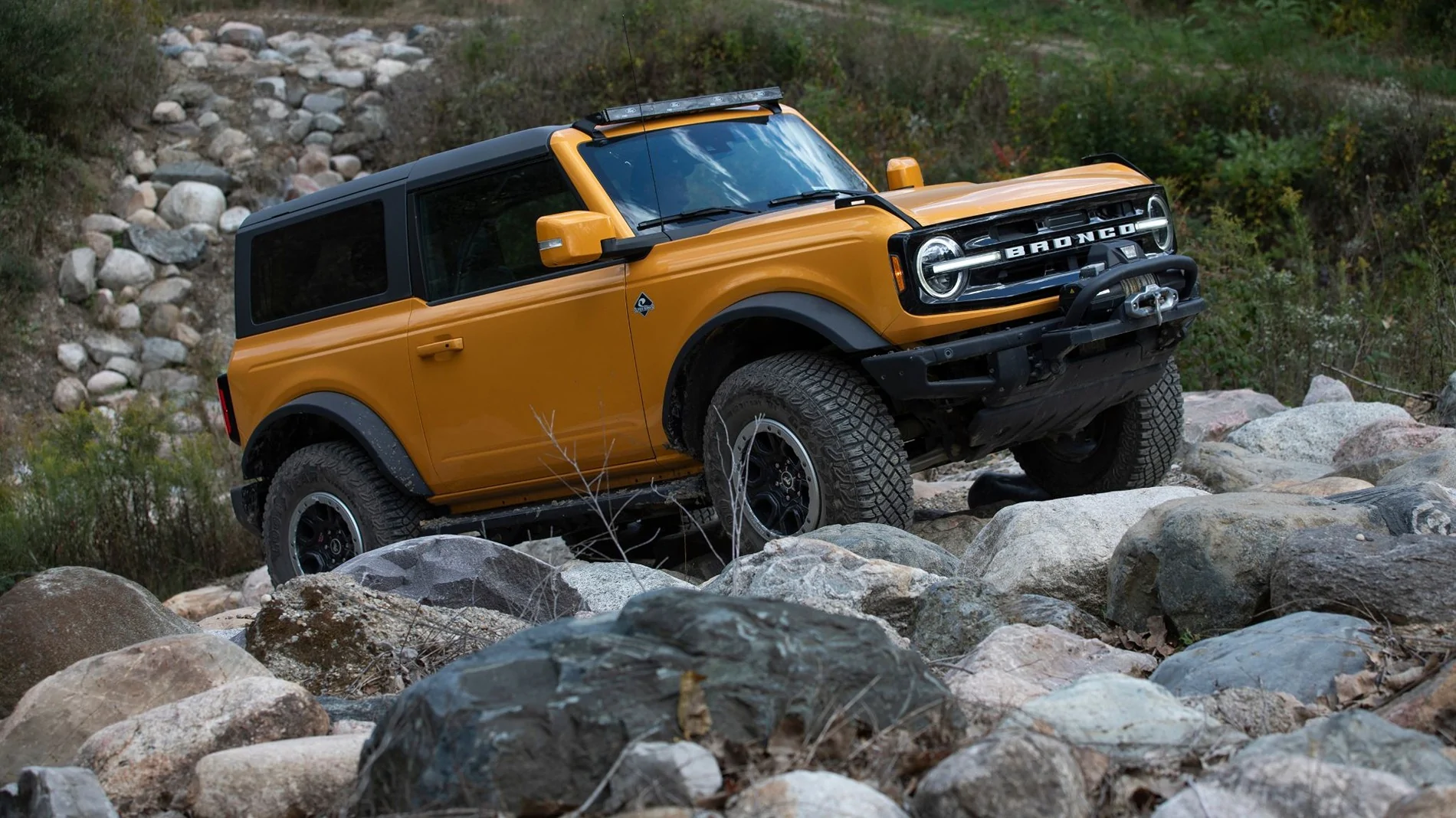
At MPG, it’s my job to evaluate vehicle safety, durability, and performance by pushing the vehicles to and even past their limits. Ford hires professional drivers like me to test, prove out, and even abuse our products in a controlled environment before they ever go on sale.

But let’s be clear — I’m not trying to demonstrate what a vehicle can or can’t do or how it should be driven outside of this controlled test environment. Off the job, I drive safely: I follow the traffic laws, stay within my skill level, and always refer to the Owner’s Manual for the right way to operate the vehicle. As they say on television, don’t try this at home.
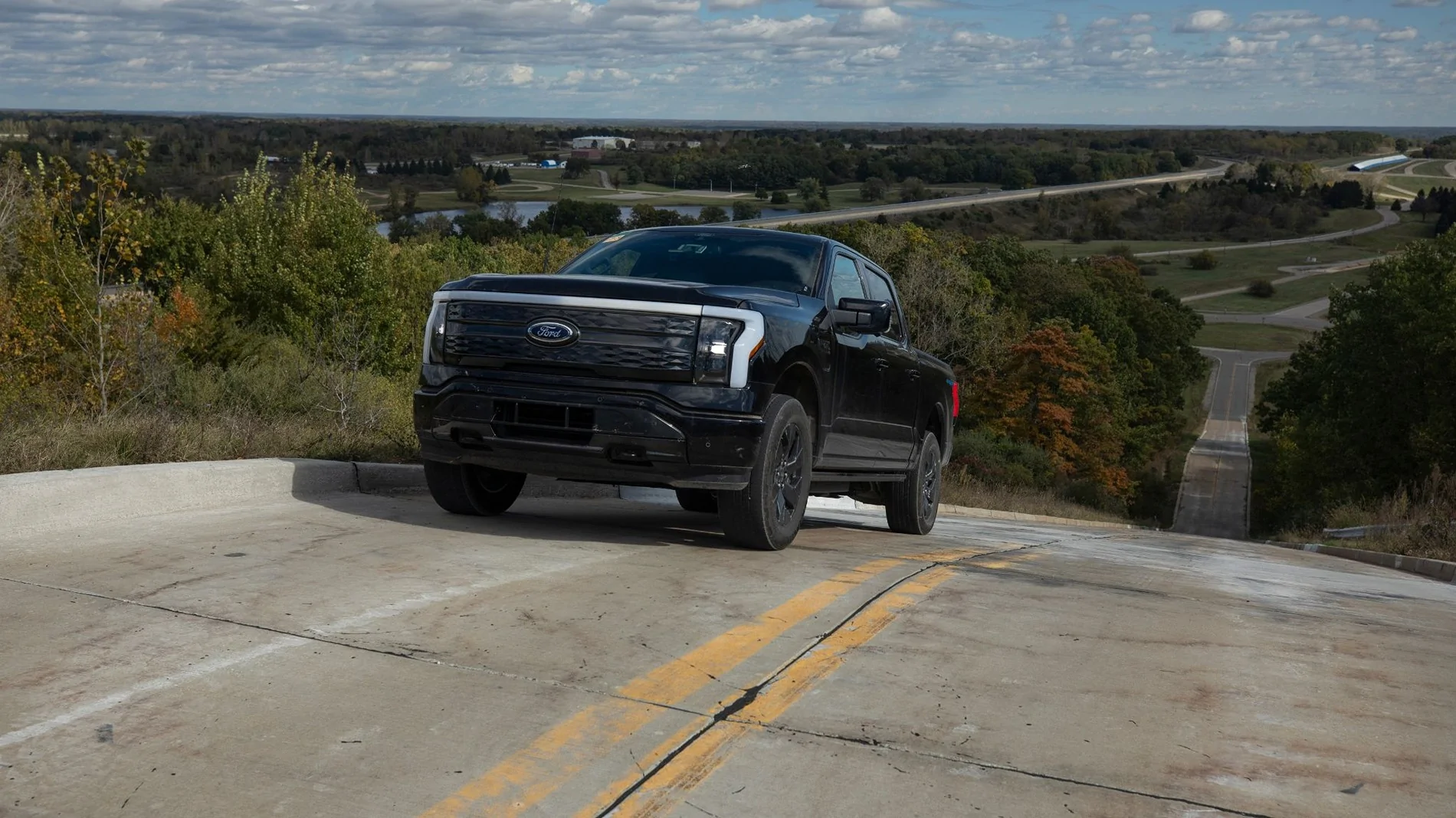
These proving grounds are among the largest in the U.S. and home to the highest point in Michigan’s Macomb County at 1,150 feet. MPG’s Trombly Mountain has a steeper grade than San Francisco’s famed Lombard Street, and at a 29% grade, it allows us to test vehicles’ climbing ability.

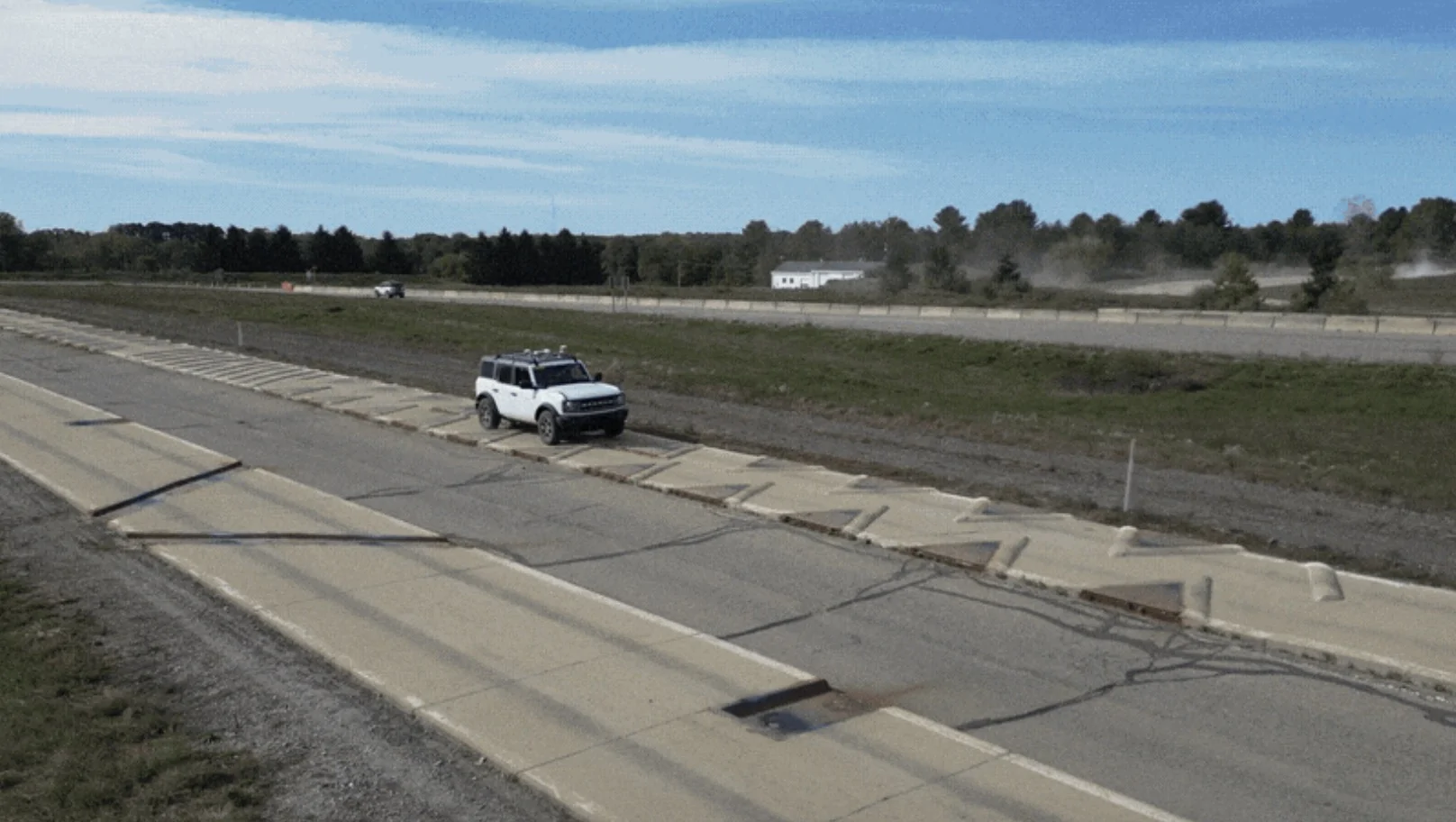
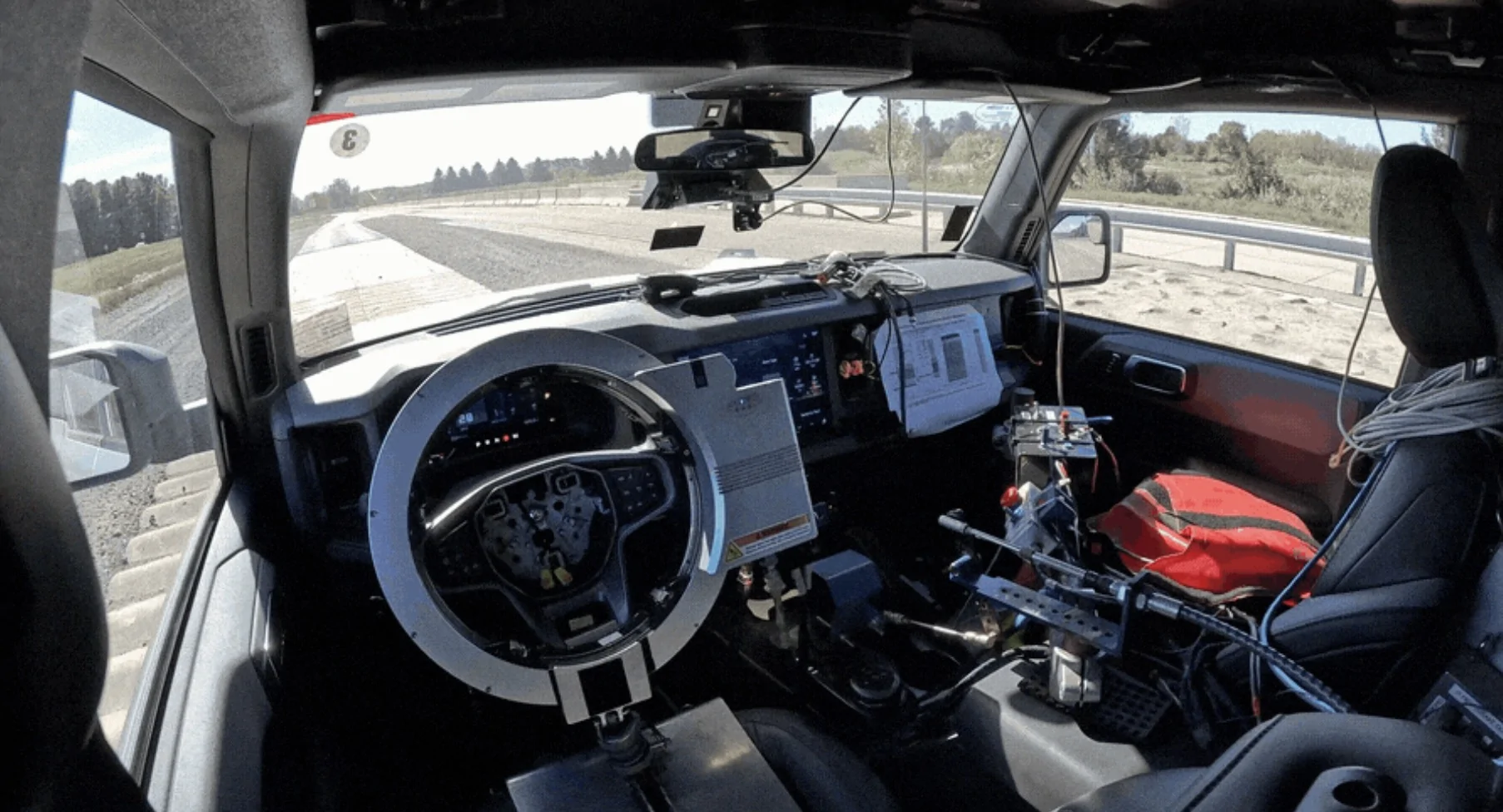
To make our trucks Built Ford Tough, we also created concrete-surfaced tracks with bumps, chuckholes, and broken concrete pieces permanently set in concrete. This testing is too brutal for humans, so now it is all done autonomously — allowing us to accelerate customer usage in a condensed time frame.
Overall, MPG contains more than 100 miles of roads, including a high-speed track, rough roads, durability tracks, steep grades, and a vehicle dynamics area, in addition to an assortment of support structures and buildings.
“Some of this testing is too brutal for humans, so now it is done autonomously, allowing us to accelerate customer usage in a condensed timeframe.”


For example, there are a lot of F-Series Super Duty trucks used for snow removal. The last thing you’d want is for the airbags to go off when a snowplow hits a curb, a common occurrence when clearing snow. So, we test for that.
These airbag sensor tests are no joke — we’re trying to simulate crashes without actually being in one! Once, I took an Explorer prototype on an off-road course where I hit deep ruts filled with water at full speed. The impact of the water was so intense that the force blew all the body plugs out of the bulkhead, the divider that separates a vehicle’s cabin area from the engine compartment. My face was covered in mud, and I had to lift the shield on my helmet so I could see where I was going.
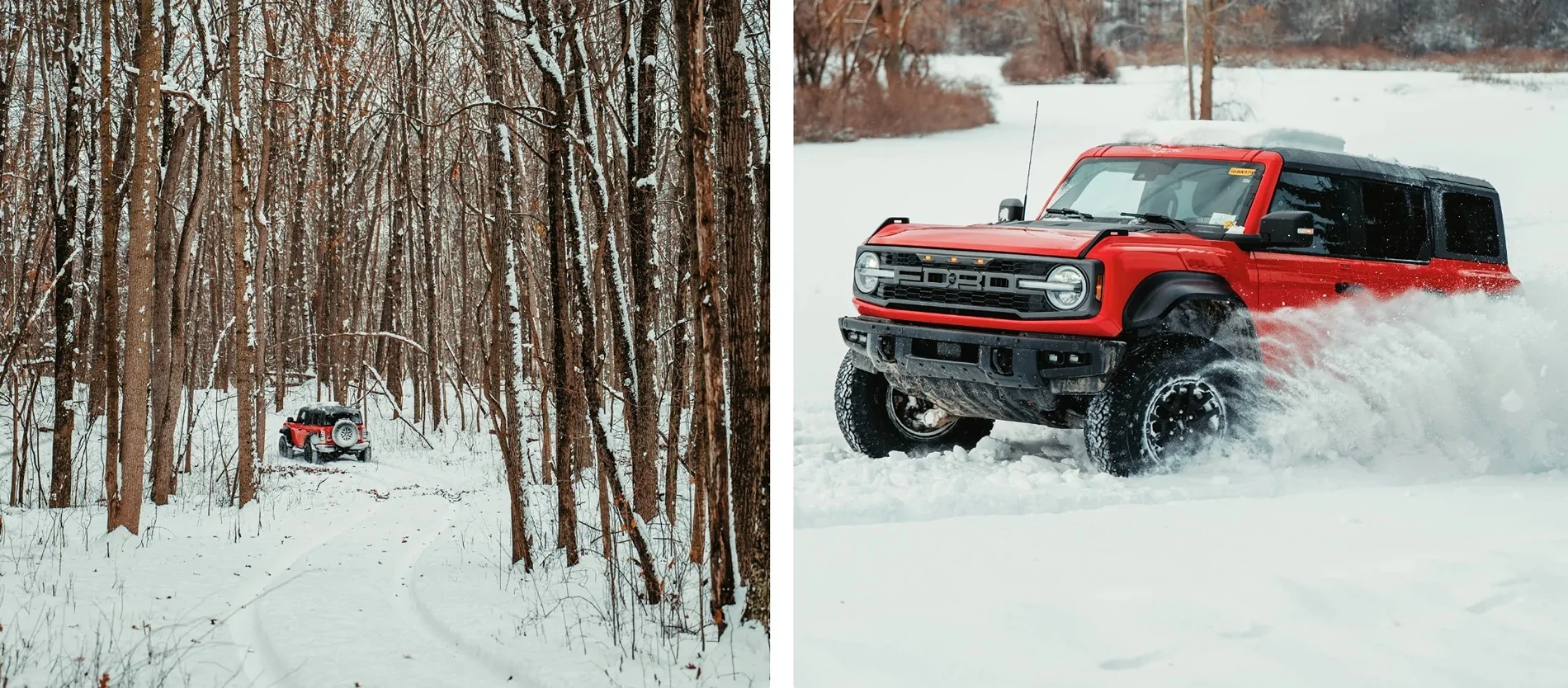
Those wooded courses aren’t just for off-road vehicles, either. I once took a Mustang through an area we call grassy moguls. The mechanics who followed me in for backup were actually the ones who had to be pulled out of the deep, muddy ruts.
Another good example of sensor abuse testing is the bowl jump, where I drive up and over embankments several times, increasing my speed by 5 mph each time. This helps us improve our vehicle safety systems by differentiating between minor collisions and more severe impacts.

I’ve been a unit supervisor since 2008, and a big part of my role is ensuring track safety at our facility, as well as evaluating new tests to help create even more dynamic and unique situations for us to observe our vehicles. My priority is that these tests are conducted safely and that the data we’re recording is accurate and reliable for our Ford engineers.
We’re constantly developing new courses and elements to test products, like what we did for the Mustang Mach-E Rally. We worked with the program’s engineers to create a real-world rally crosscourse to simulate 10 years of wear and tear over 500 miles of full-send driving to test whether the product was progressing according to our expectations.
"That’s what our job is here, working to make a better product. And it’s all hands on deck when there’s a problem that needs to be resolved.”
Sometimes, we’re even called on to develop a one-off testing environment to replicate what we call a “job stopper” — an issue that we need to help our Ford teams solve ASAP. That’s what our job is here: working to make a better product. And it’s all hands on deck when there’s a problem that needs to be solved.
It’s an exciting job, and it is incredibly rewarding knowing that what we do here at MPG helps make sure our customers have vehicles that are ready for anything.
Sal Gusmano is a unit supervisor for vehicle evaluation and verification at Michigan Proving Grounds.
FANTASTIC POST, WELCOME!
You must have skipped TIE ROD day?
I mean these things are tooth pick garbage...Dormans website says it best...
Ford used passenger car steering parts on a 4x4 truck advertised to compete with a jeep...Even Dorman is now producing Tie Rods for broncos.
How did guys like you miss something SOOOO obvious?
I mean, the first redneck that drove one hard with big tires. Snapped them things like toothpicks, and then devised (copied)a caveman fix with jumbo aluminum blocks that support the tiny twigs ford gave him. Then, proceeded to make a small fortune off the aluminum blocks and tell other manufacturers".You can't do what i'm doing.I invented the wheel."
Last edited:

I can guarantee you it wasn't missed. Some exec higher up the food chain said it's ok, move on.... If we engineers were left alone to build a vehicle, it would last 100 years and cost a million dollars....How did guys like you miss something SOOOO obvious?

And take 100 years to build and 300 to disassembleI can guarantee you it wasn't missed. Some exec higher up the food chain said it's ok, move on.... If we engineers were left alone to build a vehicle, it would last 100 years and cost a million dollars....

Good work. Stay safe.
January 12, 2026
Words by Sal Gusmano, unit supervisor for vehicle evaluation and verification at Michigan Proving Grounds.
My Name Is Sal Gusmano, and I Break Ford Vehicles for a Living
As a kid, I used to ride past Michigan Proving Grounds (MPG) and ask my parents what goes on behind the fences. Today, as a third-generation Ford employee, I’ve been on the other side for 34 years. I’m a specially trained and certified Tier 4 driver — one of 25 in the world.
At MPG, it’s my job to evaluate vehicle safety, durability, and performance by pushing the vehicles to and even past their limits. Ford hires professional drivers like me to test, prove out, and even abuse our products in a controlled environment before they ever go on sale.
But let’s be clear — I’m not trying to demonstrate what a vehicle can or can’t do or how it should be driven outside of this controlled test environment. Off the job, I drive safely: I follow the traffic laws, stay within my skill level, and always refer to the Owner’s Manual for the right way to operate the vehicle. As they say on television, don’t try this at home.
These proving grounds are among the largest in the U.S. and home to the highest point in Michigan’s Macomb County at 1,150 feet. MPG’s Trombly Mountain has a steeper grade than San Francisco’s famed Lombard Street, and at a 29% grade, it allows us to test vehicles’ climbing ability.
To make our trucks Built Ford Tough, we also created concrete-surfaced tracks with bumps, chuckholes, and broken concrete pieces permanently set in concrete. This testing is too brutal for humans, so now it is all done autonomously — allowing us to accelerate customer usage in a condensed time frame.
Overall, MPG contains more than 100 miles of roads, including a high-speed track, rough roads, durability tracks, steep grades, and a vehicle dynamics area, in addition to an assortment of support structures and buildings.
“Some of this testing is too brutal for humans, so now it is done autonomously, allowing us to accelerate customer usage in a condensed timeframe.”
For example, there are a lot of F-Series Super Duty trucks used for snow removal. The last thing you’d want is for the airbags to go off when a snowplow hits a curb, a common occurrence when clearing snow. So, we test for that.
These airbag sensor tests are no joke — we’re trying to simulate crashes without actually being in one! Once, I took an Explorer prototype on an off-road course where I hit deep ruts filled with water at full speed. The impact of the water was so intense that the force blew all the body plugs out of the bulkhead, the divider that separates a vehicle’s cabin area from the engine compartment. My face was covered in mud, and I had to lift the shield on my helmet so I could see where I was going.
Those wooded courses aren’t just for off-road vehicles, either. I once took a Mustang through an area we call grassy moguls. The mechanics who followed me in for backup were actually the ones who had to be pulled out of the deep, muddy ruts.
Another good example of sensor abuse testing is the bowl jump, where I drive up and over embankments several times, increasing my speed by 5 mph each time. This helps us improve our vehicle safety systems by differentiating between minor collisions and more severe impacts.
I’ve been a unit supervisor since 2008, and a big part of my role is ensuring track safety at our facility, as well as evaluating new tests to help create even more dynamic and unique situations for us to observe our vehicles. My priority is that these tests are conducted safely and that the data we’re recording is accurate and reliable for our Ford engineers.
We’re constantly developing new courses and elements to test products, like what we did for the Mustang Mach-E Rally. We worked with the program’s engineers to create a real-world rally crosscourse to simulate 10 years of wear and tear over 500 miles of full-send driving to test whether the product was progressing according to our expectations.
"That’s what our job is here, working to make a better product. And it’s all hands on deck when there’s a problem that needs to be resolved.”
Sometimes, we’re even called on to develop a one-off testing environment to replicate what we call a “job stopper” — an issue that we need to help our Ford teams solve ASAP. That’s what our job is here: working to make a better product. And it’s all hands on deck when there’s a problem that needs to be solved.
It’s an exciting job, and it is incredibly rewarding knowing that what we do here at MPG helps make sure our customers have vehicles that are ready for anything.
Sal Gusmano is a unit supervisor for vehicle evaluation and verification at Michigan Proving Grounds.

I agree with what you're saying. I've not broken a tie rod (or rack or anything else) despite all of the off-road adventures I've been on. People did have me worried for a while that it might happen, which made me think about the situations I'm in, which is probably a good thing. But I'm not a "full-send" type of off-roader during rock crawling. But even on baja runs with whoops hard enough to send items in the back airborne, I've never had an issue.He's testing stock vehicles. Not ones that have been lifted with oversized tires. Every post I've seen on here where someone broke a tie rod, the Bronco was lifted with oversized tires.
I've even asked for posts from people who broke a tie rod in a stock vehicle.
Sponsored
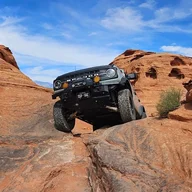
I did TotW in my non-Sas Badlands. Makes me wonder where they had issues, because I don't recall any part of that trail where I thought a broken tie rod would be an issue. Front locker, hard turn is the situation I've been wary of. I wonder if this is that mid-trail ledge that has been getting dug progressively deeper where I think a lot of people are taking the "send it" approach to tackling it. There's a bypass for that, which I took, because I felt the minimum for that was probably 35" plus a lift.Stock Wildtrak, Labor Day, 2022, Top of the World trail in Moab. Not mine, but I was there. Fortunately, about three of us had spare tie rods in our kit, so we repaired on the trail and continued on.
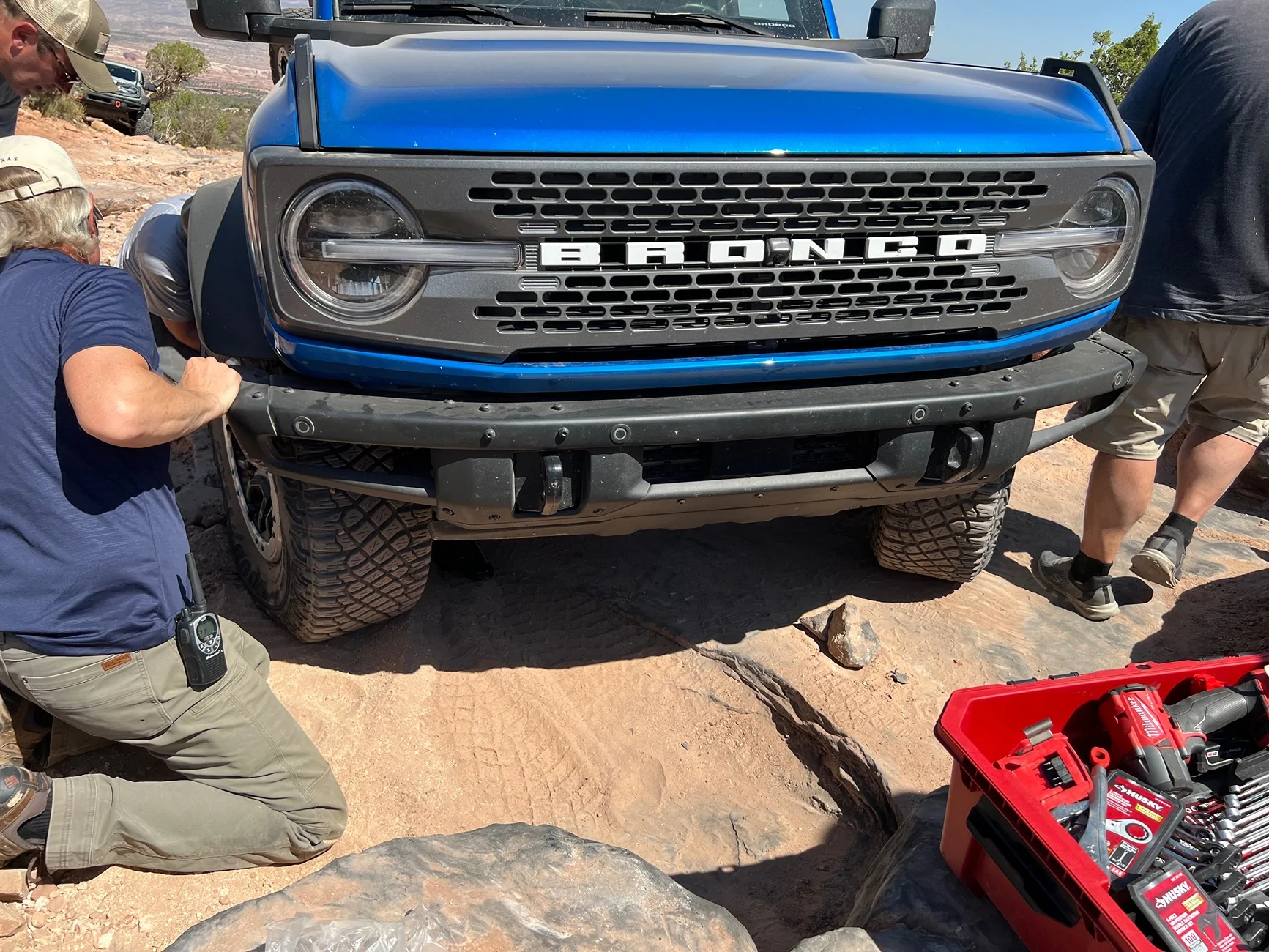
No idea, actually. I wasn't driving it, I was about 2 vehicles back but I had no problem there. Could have already been weakened by something else and it was just time to go, maybe it was a bad one, or maybe they did the funny on the ledge. Can't really comment, just that I saw it, but like I said, there were about three of us with a spare, so we just fixed it and moved on.I did TotW in my non-Sas Badlands. Makes me wonder where they had issues, because I don't recall any part of that trail where I thought a broken tie rod would be an issue. Front locker, hard turn is the situation I've been wary of. I wonder if this is that mid-trail ledge that has been getting dug progressively deeper where I think a lot of people are taking the "send it" approach to tackling it. There's a bypass for that, which I took, because I felt the minimum for that was probably 35" plus a lift.

The testing that Sal does is during the development cycle--testing the engineering or testing improvements/changes. Separately from that, Ford pulls random vehicles off the assembly line for additional, more thorough QC testing to ensure the vehicles are being built properly. I don't believe those vehicles are going to MPG for that testing.My 2025 badlands was selected and driven by them. I'm glad it was. Thanks guys.
I should clarify that I don't mean to imply that the tie rods are invincible or that the problem is always the driver. But there's always going to be engineering to a point. If the OEM part can handle what 99% of drivers would do to it, is that good enough? Does it need to be 99.9%? 99.99%? Do all the other drivers need to pay for over-engineered parts for the few who need them? As owners, what should we reasonably expect from an OEM configuration, and when should we expect that we need to make improvements if we want to be more extreme? Rhetorical questions.No idea, actually. I wasn't driving it, I was about 2 vehicles back but I had no problem there. Could have already been weakened by something else and it was just time to go, maybe it was a bad one, or maybe they did the funny on the ledge. Can't really comment, just that I saw it, but like I said, there were about three of us with a spare, so we just fixed it and moved on.
I think Ford has covered it fairly well by having different grades of parts based on the configuration. There's a baseline capability in every Bronco, but a Base, Big Bend, and especially Outer Banks is not meant to tackle the same things as a Badlands, and a Badlands can't do everything a Raptor can.
But it reminds me of that F-150 Raptor YouTube video where the guy took the truck on a 50-foot jump. Unless he was moneybags rich, I assume he expected the truck to handle that jump. For me, my Badlands has handled everything I have asked of it without issue, so I don't see it as under-engineered. But the guy in your photo might not feel the same way.
Oh, and I have seen a YouTube video of a Wrangler trying to send it out of Mickey's Hot Tub (or similar) and bouncing his way to a broken axle. Sometimes, having a "this thing is invincible!" attitude works against us.No idea, actually. I wasn't driving it, I was about 2 vehicles back but I had no problem there. Could have already been weakened by something else and it was just time to go, maybe it was a bad one, or maybe they did the funny on the ledge. Can't really comment, just that I saw it, but like I said, there were about three of us with a spare, so we just fixed it and moved on.

Sponsored
Similar threads

- Replies
- 21
- Views
- 7,541


- Replies
- 42
- Views
- 6,753

- Replies
- 9
- Views
- 4,102


