OP
OP

- First Name
- Robin
- Joined
- Nov 24, 2021
- Threads
- 11
- Messages
- 458
- Reaction score
- 711
- Location
- Calgary, AB
- Vehicle(s)
- 2 Door Cyber Orange Wildtrak Sasquatch
- Your Bronco Model
- Wildtrak
- Thread starter
- #31
This is what another member suggested as well. While it would likely work, I personally hesitate to pull the trigger on this option because:I'm just some dude from Florida who has ZERO experience with the freezing cold. But here's my maybe dumbass, maybe genius response. Have you considered a battery operated heat gun? Would that even work?
https://www.homedepot.com/p/Milwaukee-M18-18V-Lithium-Ion-Cordless-Compact-Heat-Gun-Tool-Only-2688-20/302456583?source=shoppingads&locale=en-US&srsltid=AfmBOoqoPQpS2vBN6h9ixCSuzQQ1PNKa0NdYb-3c4-8zAjHlAc5GkCvahLA&gQT=1&adobe_mc=TS=1736014087|MCMID=30639519450212127609045608064797637241|MCORGID=F6421253512D2C100A490D45@AdobeOrg
1. The time to melt with the heat gun would likely be longer than with warm liquid, simply due to the heat capacity of warm liquid vs hot air (though this variable highly dependent on the temperature of the liquid, and how much a person has on them...coffee vs warm bladder)
2. Chemically decreasing the freezing point with an isopropyl alcohol with some lock de-icer would be the simplest in terms of size, weight and cost. A few bucks for a small bottle vs $100 for a large heat gun that requires a battery.
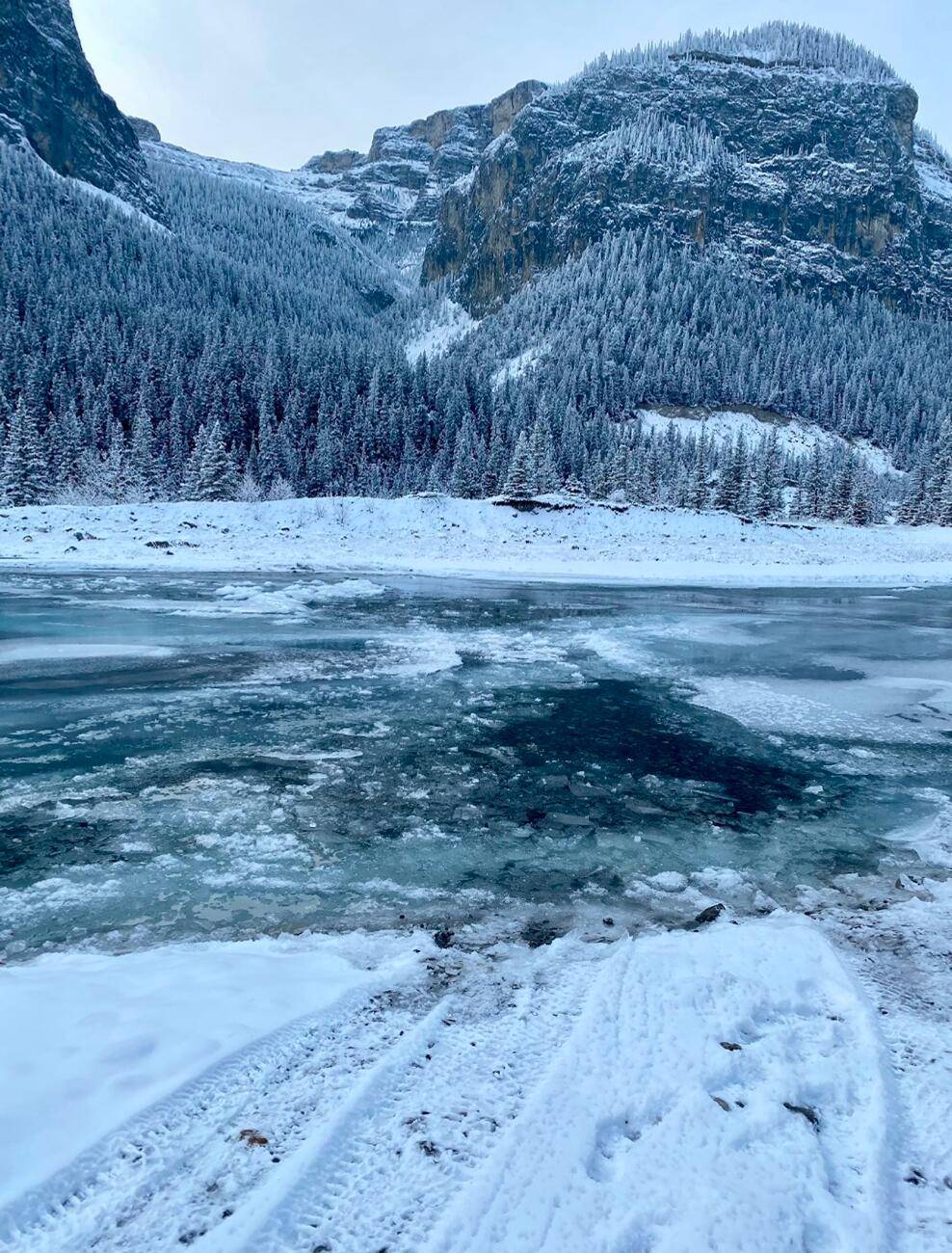
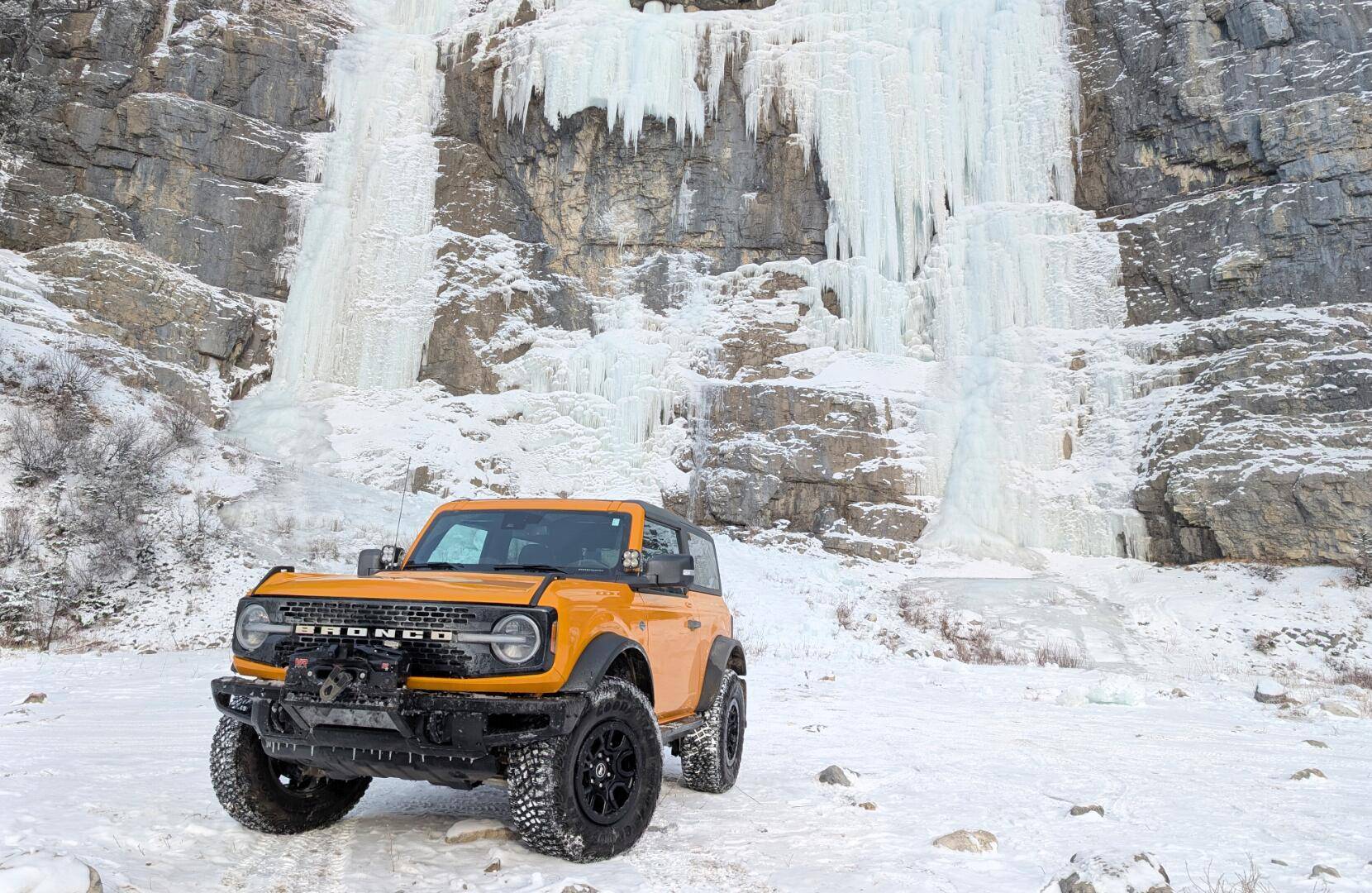
That being said, I am looking at your option with a piqued interest because of what I saw this morning. I went out and inspected the rest of the Bronco and HOLY CRAP, I did not appreciate how deep the water crossing truly was, and how much of a water wave can be built up in front of the vehicle during water fording. It was so cold that all the water being flung around by the tires froze nearly instantly to the undercarriage and front of the Bronco. The wheel wells, the entire undercarriage, frame, components etc. are COMPLETELY coated in ice. The front of the bumper where the ACC/pre-collision module is, that whole section is CAKED in a thick layer of ice (so the water thickness and/or wave front created during the water crossing was much deeper than 18". The top of the bumper and top of the winch are caked in ice, and the top of my step sliders (which are only 1" lower than the door) also have a coating of ice. It's unreal seeing it now in the light vs last night in the dark.
The reason your option may actually make sense (outside of just a frozen valve stem) is this - what if I needed to do field-repair of something that was absolutely caked in this thick ice? Or if I needed to unthaw something in an awkward upside down spot for a field repair? That would be a lot of hot coffee or pee and maybe not being able to get the liquid on it, vs being able to sit for a longer period of time with a heat gun. Definitely some food for thought.
I will end with this for anyone still with me - winter wheeling in very cold temperatures is simply terrifying when you think of the consequences of something going wrong and not having the right gear. Sure it's warm in the truck, but if something happens, make sure you pack enough warm clothing that you could (if worse comes to worse) hike out and not freeze to death. Versus when we go wheeling in the summer, all we need to pack is a rain coat.
Edit to add: I pack a ridiculous amount of spare clothing in the winter. But I've chatted with others on the trail who do not, and I question their preparedness for those "what if" conditions.
Sponsored
Last edited:



 Let me know. Happy Holidays